

Santander is a beautiful port city sits on Spain’s northern coast in the Cantabria region, offering dramatic Atlantic coastlines, fantastic seafood, and some of the most beautiful Belle Époque architecture you’ll find anywhere in Spain.
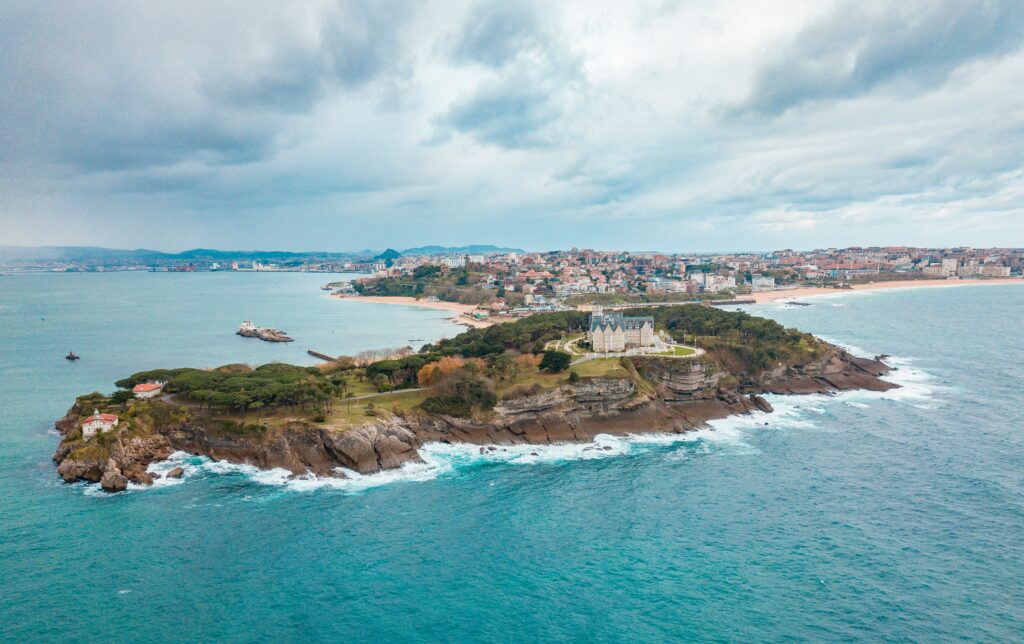
I’ve put together this guide to help you discover what makes Santander so special, from its world-famous beaches to its historic city centre and everything in between.
Where is Santander?
Santander is the capital city of Cantabria, located on Spain’s northern Atlantic coast. It sits about 390 kilometres north of Madrid and roughly 200 kilometres west of Bilbao, making it easily accessible from major Spanish cities.
The city is built around a large bay (Bahía de Santander) and is surrounded by beautiful green hills that give it a completely different feel from Spain’s southern regions. You’ll find it’s much greener here, with lush countryside and dramatic cliffs meeting the Atlantic Ocean.
Getting to Santander
By air
Santander Airport (SDR) is about 5 kilometres from the city centre and receives flights from various European cities, particularly during summer months. Ryanair operates regular services from London Stansted, making it quite accessible for British visitors. From the airport, you can take a taxi (around €15-20) or the bus service that connects to the city centre.
By ferry
One of the most popular ways to reach Santander from the UK is via the Brittany Ferries service from Portsmouth. The crossing takes about 24 hours, but you can bring your car and it’s a lovely way to start your Spanish adventure. The ferry arrives right in the city centre at the port.
By car
If you’re driving from other parts of Spain, Santander is well connected via the A-67 motorway from Madrid (about 4.5 hours) and the A-8 coastal motorway from Bilbao (about 2 hours).
Best beaches in Santander
Playa de El Sardinero
This is Santander’s most famous beach and for good reason. El Sardinero is actually two connected beaches (Primera and Segunda Playa del Sardinero) that stretch for about 2 kilometres along the northern edge of the city.
The beaches are backed by elegant Belle Époque buildings including the famous Hotel Real and the Casino, giving the whole area a sophisticated atmosphere that’s quite different from typical Spanish beach resorts. The sand is golden and fine, and the beaches are well-maintained with lifeguards during summer months.
What I love about El Sardinero is how it manages to feel both grand and relaxed at the same time. You can spend the morning on the beach, then pop up to one of the beachfront cafés for lunch with incredible sea views.
Playa de los Peligros
Located closer to the city centre, this smaller beach offers fantastic views across the bay to the Magdalena Peninsula. It’s particularly popular with locals and tends to be less crowded than El Sardinero.
The beach gets its unusual name (“Beach of Dangers”) from the rocky outcrops, but don’t worry – it’s perfectly safe for swimming when conditions are good. There’s a pleasant promenade behind the beach lined with bars and restaurants.
Playa de la Magdalena
This small, sheltered beach sits right next to the Magdalena Palace and is perfect for families with young children. The water is calmer here thanks to its protected position in the bay, and there are good facilities nearby including toilets and a café.
What to see in Santander
Palacio de la Magdalena
This stunning early 20th-century palace was built as a summer residence for the Spanish royal family and sits on the beautiful Magdalena Peninsula. Today it’s used as a conference centre and university facility, but you can take guided tours during certain times of the year. Even if you can’t get inside, the peninsula itself is worth visiting for the incredible views across the bay and the lovely walking paths through the grounds. There’s also a small zoo here with sea lions, which children particularly enjoy.
Santander Cathedral
The city’s cathedral is actually two churches built one on top of the other – quite unusual! The lower church (Iglesia del Santísimo Cristo) dates from the 13th century, while the upper cathedral was rebuilt after a fire in 1941.
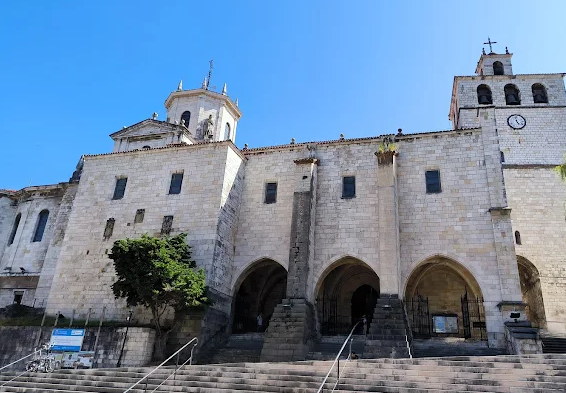
The crypt contains what are believed to be the remains of Saint Emeterius and Saint Celedonius, the city’s patron saints. It’s worth a visit both for the history and the peaceful atmosphere inside.
Centro Botín
This striking modern art centre opened in 2017 and has quickly become one of Santander’s most recognisable landmarks. Designed by Renzo Piano, the building seems to float above the water and houses an impressive collection of contemporary art.
The centre regularly hosts temporary exhibitions featuring both Spanish and international artists. Even if you’re not particularly into modern art, the building itself is worth seeing, and the views from the café are fantastic.
Mercado de la Esperanza
This beautiful 19th-century covered market is the perfect place to experience local life and sample Cantabrian specialities. The ironwork and glass roof create a lovely atmosphere, and you’ll find excellent fresh produce, local cheeses, and seafood. I’d recommend visiting in the morning when it’s busiest and most atmospheric. There are several small bars inside where you can grab a coffee and a pastry while watching the locals do their shopping.
Day trips from Santander
Santillana del Mar
About 30 kilometres west of Santander, this medieval village is often called “the town of three lies” because it’s not holy (santa), not flat (llana), and not by the sea (del mar). Despite this, it’s absolutely beautiful and feels like stepping back in time.
The cobbled streets are lined with perfectly preserved medieval buildings, and the Collegiate Church of Santa Juliana is particularly impressive. It gets quite busy with tour groups during the day, so I’d recommend visiting early morning or late afternoon.
Caves of Altamira
Located near Santillana del Mar, these caves contain some of the finest examples of prehistoric cave paintings in the world. The original caves are closed to protect the paintings, but there’s an excellent replica museum (Museo de Altamira) that gives you the full experience.
The museum does a brilliant job of explaining the significance of the paintings and how they were discovered. It’s fascinating for adults and children alike.
Comillas
This small seaside town about 45 kilometres from Santander is famous for its incredible architecture, including buildings designed by Antoni Gaudí. El Capricho, Gaudí’s summer palace, is a must-see with its distinctive ceramic decorations and unique design.
The town also has a beautiful beach and some excellent seafood restaurants. It’s small enough to see in a few hours but charming enough that you’ll want to linger.
Picos de Europa National Park
If you fancy a complete change of scenery, the Picos de Europa mountains are about an hour’s drive south of Santander. This stunning national park offers incredible hiking, dramatic mountain scenery, and traditional villages.
The cable car at Fuente Dé takes you up to 1,823 metres for spectacular views, and there are walking trails suitable for all fitness levels. It’s a brilliant day out if the weather’s good.
Where to eat in Santander
Traditional Cantabrian cuisine
Santander is famous for its seafood, and you’ll find excellent restaurants throughout the city. Look out for local specialities like rabas (fried squid rings), anchovies from nearby Santoña, and cocido montañés (a hearty bean stew). Cañadío is a local favourite that’s been serving traditional Cantabrian food since 1934. The atmosphere is authentically Spanish, and the seafood is outstanding. It’s located near the cathedral and gets busy, so booking is recommended.
El Serbal offers a more modern take on local cuisine and has a Michelin star. The tasting menus showcase the best of Cantabrian ingredients with creative presentations.
Beachfront dining
Along El Sardinero beach, you’ll find numerous chiringuitos (beach bars) and restaurants with terraces overlooking the sea. These are perfect for lunch after a morning on the beach or for watching the sunset with a drink. La Bombi is particularly popular with locals and serves excellent grilled fish and paella with fantastic sea views.
Getting around Santander
The city centre is quite compact and easily walkable, with most attractions within a 20-minute walk of each other. There’s also a good bus network that connects the city centre with the beaches and outer areas. For getting to the beaches, buses run regularly from the city centre to El Sardinero, or it’s about a 30-minute walk along the waterfront, which is quite pleasant.
If you’re planning to visit places like Santillana del Mar or Comillas, renting a car gives you the most flexibility, though there are also bus services to most major attractions.
When to visit Santander
Santander has a mild oceanic climate that’s quite different from the rest of Spain. Summers are warm but rarely extremely hot, making it perfect for those who find southern Spain too intense. July and August are the warmest months with average temperatures around 20-25°C, but they’re also the busiest. June and September offer great weather with fewer crowds, while spring (April-May) can be lovely though slightly cooler.
Don’t expect the guaranteed sunshine you’d get in southern Spain – the weather can be changeable, so pack layers and a light waterproof jacket.
Where to stay in Santander
Near El Sardinero beaches: This area has the most hotels and is perfect if you want to be near the beach. The Hotel Real is the grand dame of Santander hotels, while there are plenty of smaller hotels and guesthouses in the area.
City centre: Staying in the old town puts you within walking distance of the cathedral, markets, and restaurants, plus it’s easy to catch buses to the beaches.
Near the port: Good if you’re arriving by ferry, and there are some excellent seafood restaurants in this area.
The city is small enough that wherever you stay, you’ll be able to get around easily on foot or by bus.
Local tips for visiting Santander
The best views in the city are from the Magdalena Peninsula – it’s free to walk around the grounds and the sunset views are spectacular. For the freshest seafood, head to the restaurants near the port where the fishing boats come in. The locals eat lunch late (2-3pm) and dinner even later (9-10pm), so plan accordingly.
If you’re driving, be aware that parking in the city centre can be challenging, especially in summer. There are several paid car parks, or you can park further out and take the bus.
The tourist office near the port has excellent maps and information about current exhibitions and events – it’s worth stopping by when you arrive to see what’s happening during your visit.