
If you’re planning a trip to Santiago de Compostela, you’re in for something truly special. This historic city in Galicia isn’t just the final destination for thousands of pilgrims walking the Camino de Santiago – it’s a fascinating place filled with incredible architecture, fantastic food, and centuries of history waiting to be discovered.
I’ve put together this complete guide to help you make the most of your time in Santiago de Compostela, from the must-see cathedral and historic old town to the best places to eat and where to stay.
Getting to Santiago de Compostela
Santiago de Compostela is well-connected to the rest of Spain and Europe, making it easy to reach however you’re travelling.
By plane: Santiago de Compostela Airport (SCQ) is about 12km from the city centre. You’ll find direct flights from Madrid, Barcelona, London, Paris, and other major European cities. The airport bus runs every 30 minutes and costs around €3, taking about 20 minutes to reach the city centre.
By train: The RENFE train service connects Santiago to Madrid (5.5 hours), Barcelona (8 hours), and other Spanish cities. The train station is about 1km south of the old town, so it’s an easy walk or short taxi ride.
By car: If you’re driving, Santiago sits at the end of the AP-9 motorway. There’s paid parking available in the city centre, though I’d recommend staying somewhere with parking included if you’re bringing a car.
Santiago de Compostela Cathedral
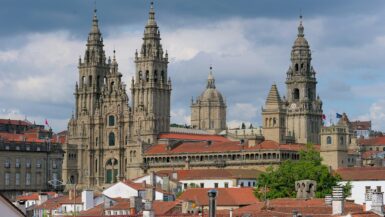
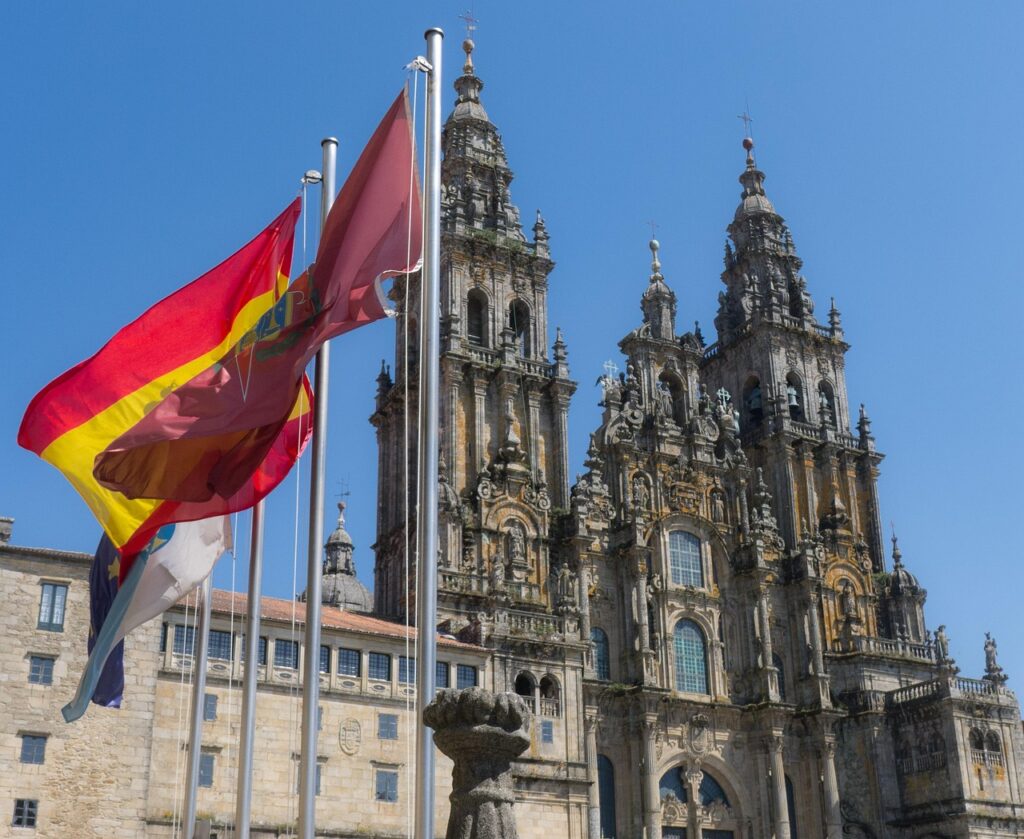
The magnificent Santiago de Compostela cathedral is absolutely the heart of the city and the reason millions of pilgrims have made this their destination for over 1,000 years.
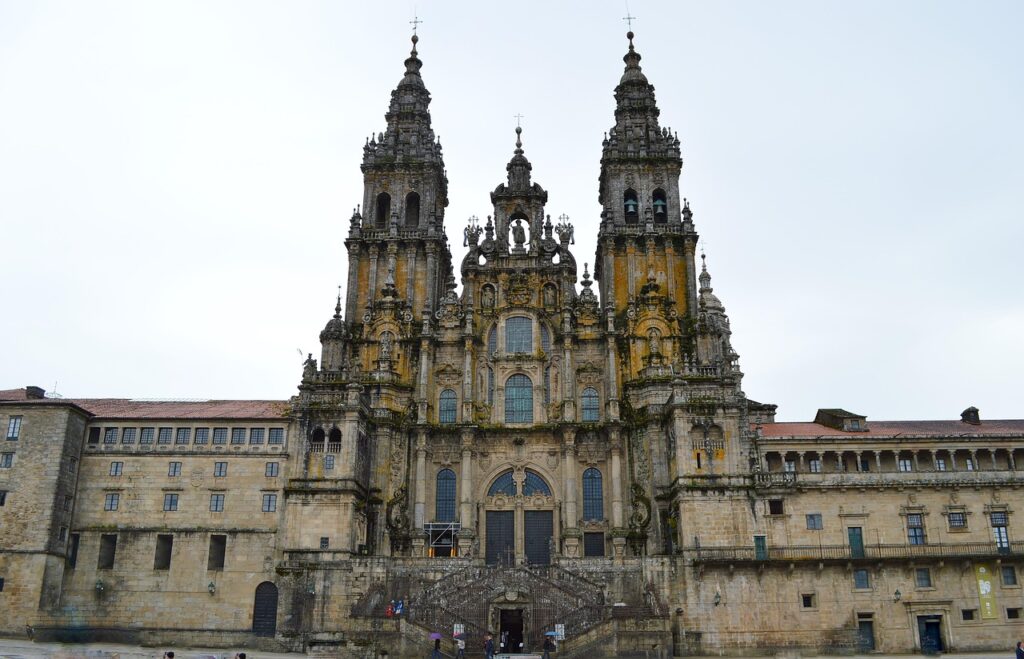
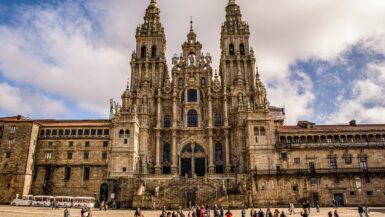
The current cathedral was built between 1075 and 1211, though the stunning baroque facade you see today was added in the 18th century. The interior is breathtaking, with soaring stone arches, intricate carvings, and the famous botafumeiro – a massive incense burner that swings across the transept during special ceremonies.
Opening hours:
- Cathedral: 7am-9pm daily
- Museum: 10am-8pm (summer), 10am-6pm (winter)
- Rooftop tours: Various times, booking required
Admission: Free to enter the cathedral, €12 for the museum, €12 for rooftop tours
The highlight for many visitors is seeing the tomb of Saint James (Santiago) beneath the main altar. You can also climb behind the altar to embrace the statue of Saint James – a tradition that pilgrims have followed for centuries.
Santiago old town
The Santiago de Compostela old town is a UNESCO World Heritage Site, and it’s easy to see why. The narrow stone streets, granite buildings, and ancient squares create an atmosphere that feels frozen in time.
Praza do Obradoiro
This is the main square in front of the cathedral and one of the most beautiful squares in Spain. You’ll find four magnificent buildings surrounding the plaza: the cathedral, the Hostal dos Reis Católicos (now a parador hotel), the Raxoi Palace (city hall), and the San Xerome College.
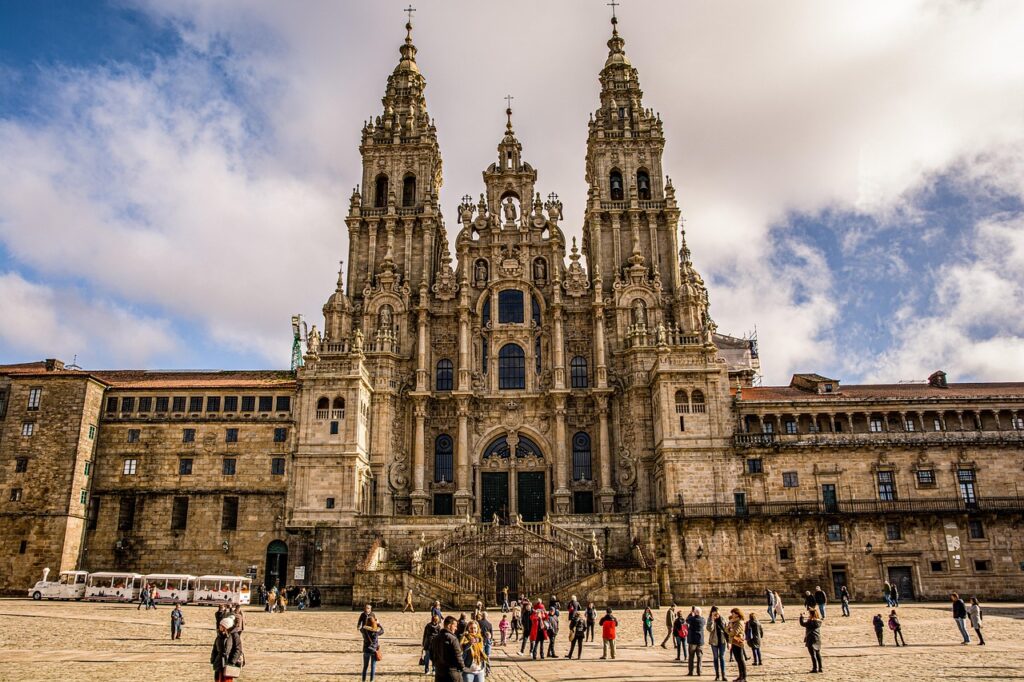
This is where tired pilgrims arrive after weeks of walking. It’s quite moving to witness, even if you haven’t walked the Camino yourself.
Praza da Quintana
Just behind the cathedral, this atmospheric square is divided into two levels. The upper part is called Quintana dos Mortos (Square of the Dead) because it was once a cemetery, while the lower section is Quintana dos Vivos (Square of the Living).
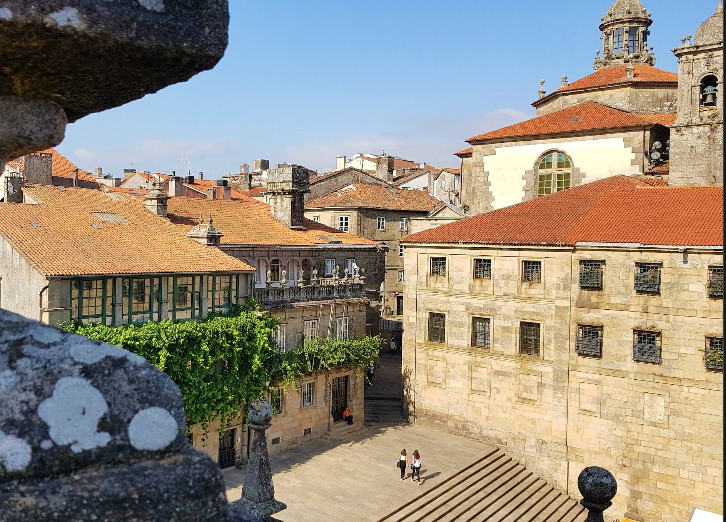
The square offers fantastic views of the cathedral’s clock tower and is a great spot for photos. You’ll often find street musicians here, adding to the magical atmosphere.
Rúa do Franco
This lively street runs from the cathedral area towards the university and is packed with restaurants, bars, and shops. It’s one of the best places in the city for tapas and local Galician cuisine.
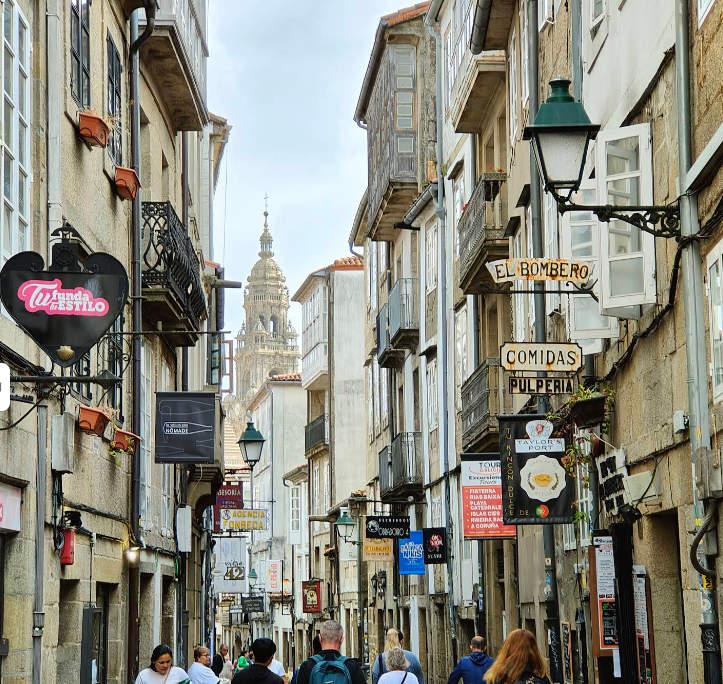
The street gets particularly busy in the evenings when locals and visitors alike come out for dinner. You’ll hear a mix of Spanish, Galician, and languages from around the world as pilgrims celebrate completing their walk.
Markets and shopping
Mercado de Abastos
Santiago’s main food market is a fantastic place to experience local Galician produce. Built in 1941, the market is housed in a beautiful stone building just a few minutes’ walk from the cathedral. Opening hours: Monday-Saturday 8am-2pm (main market hours, though some stalls and bars stay open later, particularly on Thursdays and Fridays)
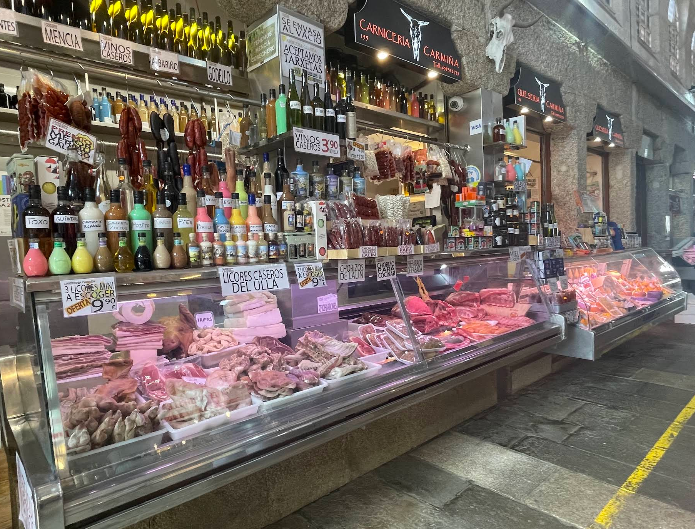
You’ll find incredible fresh seafood, local cheeses, vegetables, and Galician specialities like empanadas and chorizo. There are also several small bars inside where you can try local wines and have a quick bite.
The octopus (pulpo) here is absolutely fantastic – it’s a Galician speciality that you must try while you’re in Santiago.
Where to eat in Santiago de Compostela
Galician cuisine is quite different from what you’ll find in southern Spain, with lots of seafood, hearty stews, and excellent local wines.
A Tabacaria
This cosy restaurant near the cathedral serves traditional Galician dishes with a modern twist. Their pulpo a la gallega (Galician-style octopus) is exceptional, and the atmosphere is warm and welcoming.
The restaurant gets busy, so I’d recommend booking ahead, especially during summer or if you’re visiting during a holy year when pilgrim numbers are higher.
O Curro da Parra
Located on Rúa do Franco, this is one of the best places in the city for traditional tapas. The portions are generous, the prices are reasonable, and the local atmosphere is authentic. Try their empanada gallega (Galician pie) – it’s a local speciality that’s perfect for sharing. The restaurant also has an excellent selection of Galician wines, including Albariño and Ribeiro.
Casa Marcelo
For something more upscale, Casa Marcelo offers creative fusion cuisine that combines Galician ingredients with Asian influences. It’s expensive but worth it for a special meal.
The tasting menu changes regularly based on seasonal ingredients, and the presentation is as impressive as the flavours.
Best time to visit Santiago de Compostela
Santiago has a mild oceanic climate with plenty of rainfall throughout the year, so pack accordingly!
- Summer (June-August): Warmest and driest months, but also the busiest. Temperatures rarely exceed 25°C, making it comfortable for walking around the city. This is peak pilgrim season, so expect crowds.
- Spring (March-May): Lovely weather with fewer crowds. The countryside around Santiago is green and beautiful, though you might get some rain.
- Autumn (September-November): Great weather in September and October, with autumn colours in the surrounding hills. November can be quite wet.
- Winter (December-February): Mild but wet. Fewer tourists mean you’ll have the city more to yourself, but many pilgrims still arrive year-round.
Practical tips for visiting Santiago
Language: Spanish and Galician are both official languages. Most people in the tourist areas speak some English, but learning a few Spanish phrases will be appreciated.
Weather: Bring a waterproof jacket – Santiago gets more rain than most of Spain. Even in summer, evenings can be cool.
Walking: The old town is mostly pedestrianised and built on hills, so wear comfortable walking shoes. The stone streets can be slippery when wet.
Pilgrims: Be respectful of pilgrims who may have just completed a long walk. Many are emotional and tired, and the cathedral area is a sacred space for them.
Tipping: Tipping is not obligatory in Spain. If you’re happy with the service, rounding up the bill or leaving small change is appreciated, but large tips aren’t expected.
Santiago’s festivals and events
Feast of Saint James (July 25th)
This is Santiago’s biggest celebration, marking the feast day of Saint James. The city fills with pilgrims, there are special masses in the cathedral, and you might see the famous botafumeiro ceremony.
Festival of Saint James (mid-July to July 25th)
Concerts, theatre, and cultural events throughout the city running from mid-July until the feast day. The atmosphere is fantastic, though accommodation gets booked up quickly.
Holy Years
When July 25th falls on a Sunday, it’s a Holy Year (Año Santo). The next one is in 2027. During Holy Years, pilgrim numbers increase dramatically, and there are special indulgences available for those who visit the cathedral.
Getting around Santiago
The old town is compact and best seen on foot. Most of the main sights are within a 10-minute walk of each other.
City buses: Useful for reaching the train station, airport, or outer areas. A single ticket costs around €1.35.
Taxis: Readily available and reasonably priced for short trips within the city.
Walking: The best way to experience Santiago. Just be prepared for hills and potentially wet weather.
The city centre can get quite busy during peak times, particularly when large groups of pilgrims arrive. Early morning is often the most peaceful time to visit the cathedral and main squares, before the tour groups and day-trippers arrive.