
If you’re planning a trip to Spain’s east coast and want to experience a proper Spanish city with a more relaxed atmosphere than Barcelona or Madrid, Valencia is absolutely brilliant. As Spain’s third-largest city, it offers an incredible mix of historic architecture, world-class museums, fantastic food, and beautiful beaches – all while maintaining a more manageable tourist presence than Spain’s busiest destinations.
I’ve put together this guide to help you make the most of your time in Valencia, covering everything from must-see attractions to where to find the best paella in the region where this famous dish was actually invented. You’ll discover historic neighborhoods, cutting-edge architecture, and some of the best beaches in Spain – all within easy reach of each other.
Getting to Valencia
Valencia is incredibly well connected, making it easy to reach from anywhere in Spain or Europe.
Valencia Airport (VLC) is just 8 kilometres from the city centre, with regular flights from across Europe. The metro lines 3 and 5 connect the airport directly to the city centre in about 20 minutes for just €4.80.
Valencia’s Joaquín Sorolla station is the terminus for high-speed AVE trains from Madrid (1 hour 40 minutes) and connects to Barcelona and other major Spanish cities. The main Norte station handles regional trains along the coast.
If you’re driving from other Costa Blanca destinations, Valencia sits right on the AP-7 motorway. It’s about 1 hour 20 minutes from Benidorm and 2 hours from Alicante.
Valencia is a very walkable city, and most of the main attractions are within the historic centre. The city also has an excellent public transport system with metro, buses, and trams. Valencia Tourist Card: This gives you free public transport plus discounts at museums and restaurants. It costs €15 for 24 hours, €20 for 48 hours, or €25 for 72 hours.
City of Arts and Sciences
This is Valencia’s most famous attraction and absolutely worth the hype. Designed by Valencia-born architect Santiago Calatrava, this futuristic complex is like stepping into a science fiction film.
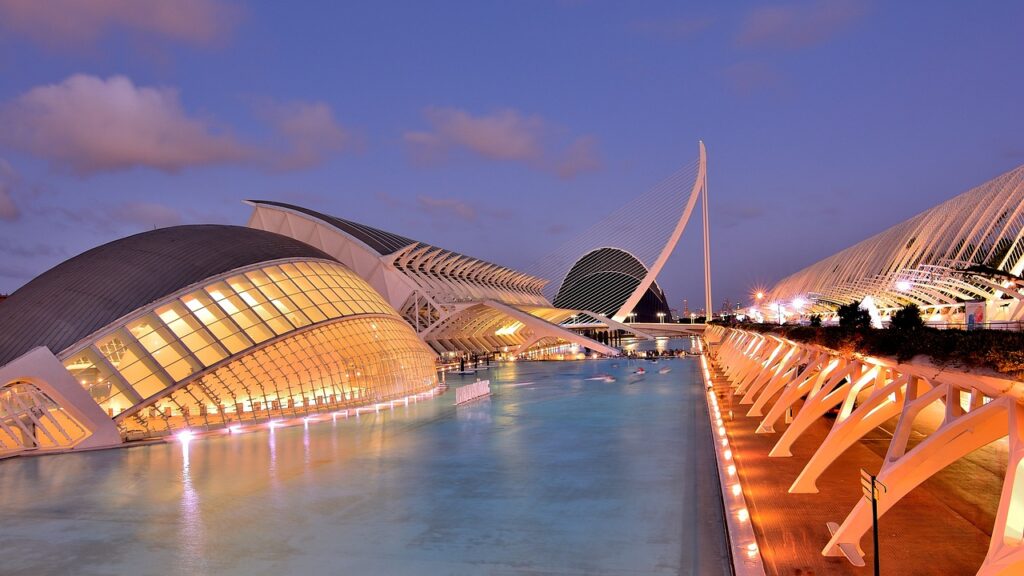
The complex includes several buildings, each more impressive than the last. The Oceanogràfic is Europe’s largest aquarium, with sharks, dolphins, and an incredible underwater tunnel. The Science Museum has interactive exhibits that are brilliant for families, while the Hemisfèric shows IMAX films on a huge curved screen.
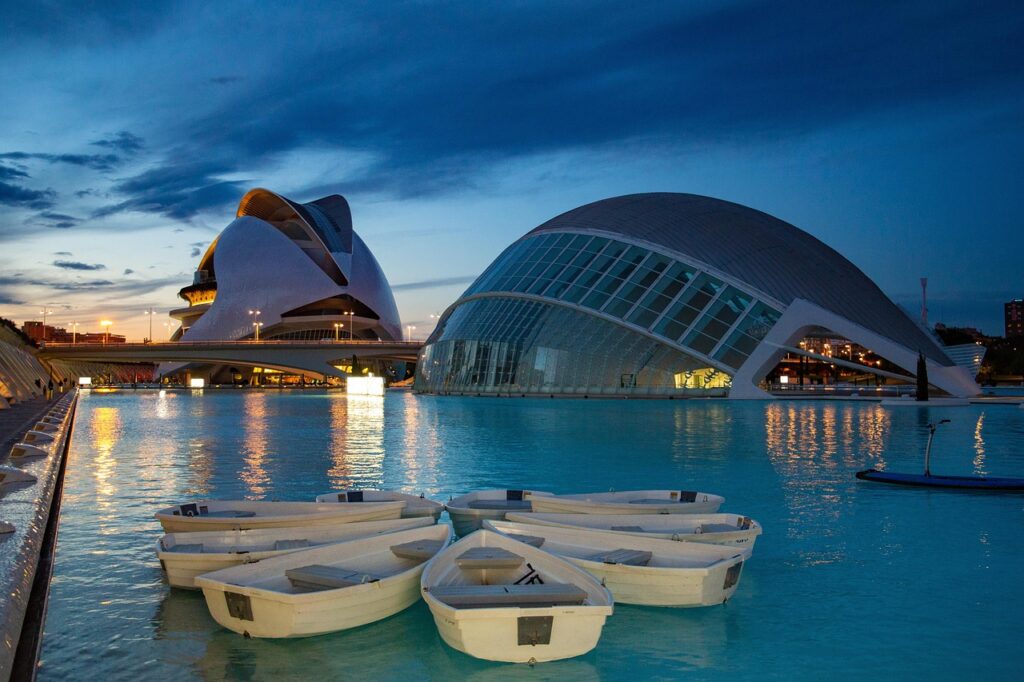
- Opening hours: Generally 10am-6pm (varies by season and building)
- Prices: Individual attractions from €8, combined tickets available
- Tip: Book online for better prices and to skip queues
Valencia’s historic centre
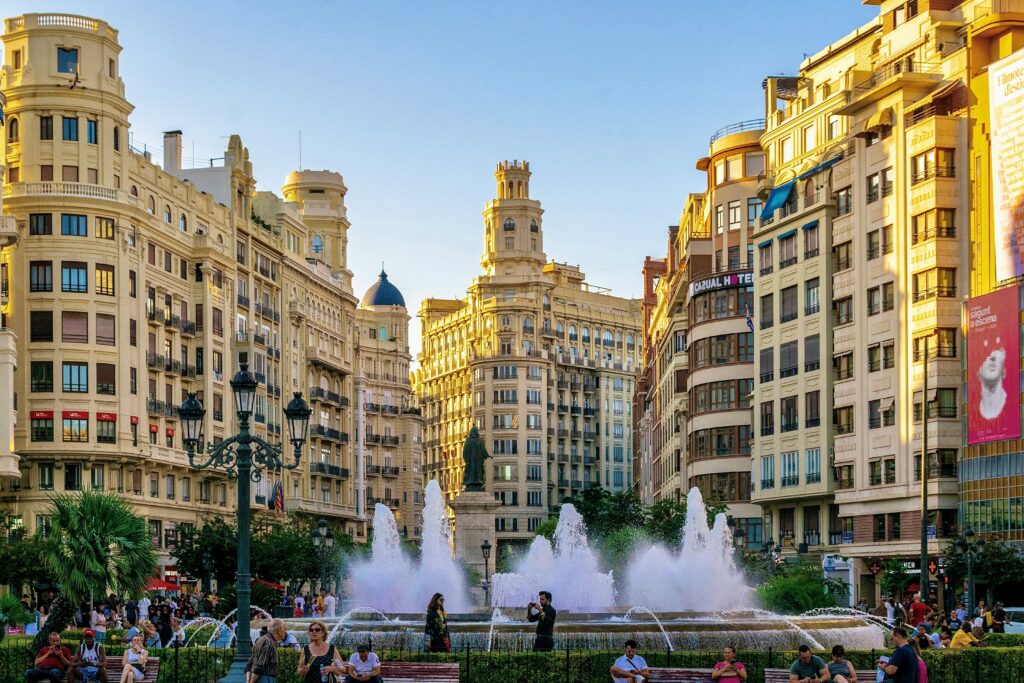
The old town is where you’ll find Valencia’s most beautiful architecture and authentic atmosphere. Start at the Plaza de la Virgen, which locals consider the heart of the city.
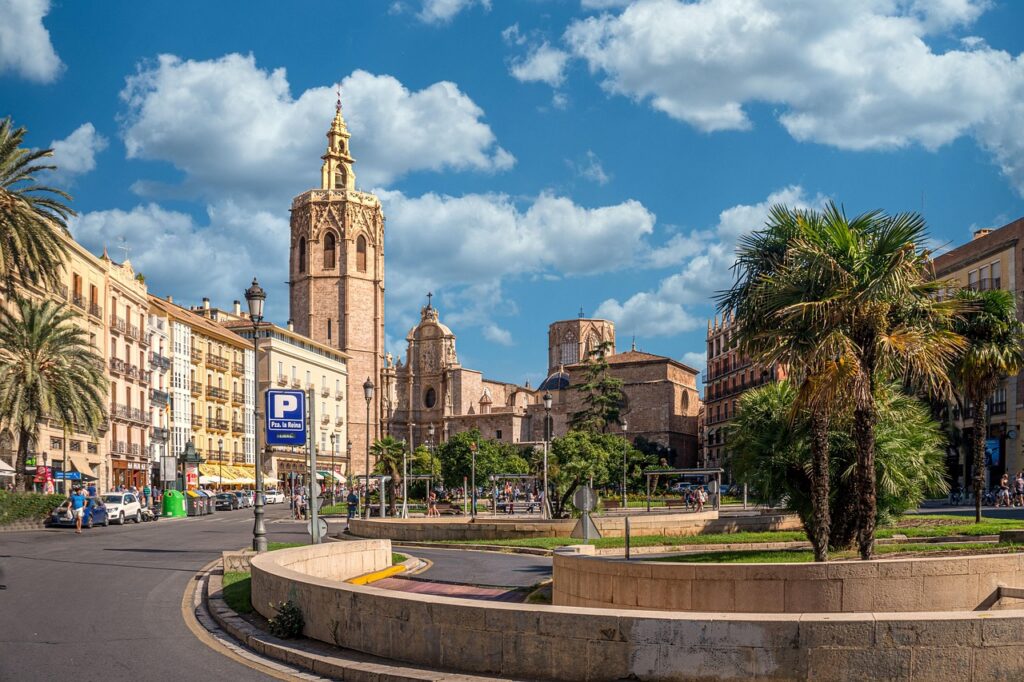
Valencia Cathedral (Catedral de Valencia)
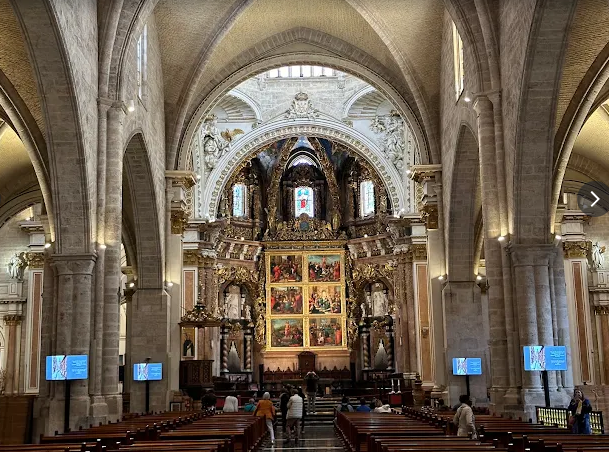
The cathedral houses what’s claimed to be the Holy Grail – the actual cup used at the Last Supper.
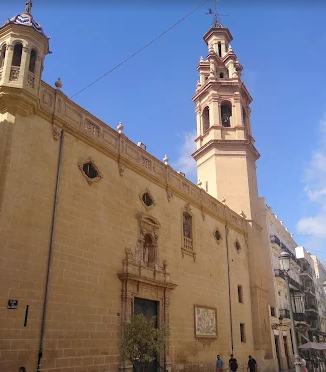
The building itself is a fascinating mix of architectural styles, from Romanesque to Gothic to Baroque.
Don’t miss climbing the Miguelete tower for incredible views over the city. It’s 207 steps to the top, but the panoramic views are absolutely worth the climb.
Opening hours: Monday-Saturday 10am-6:30pm, Sunday 2pm-6:30pm (check official website for seasonal variations) Entry: €8 (includes tower access)
Central Market
This Art Nouveau market hall is one of the largest in Europe and a feast for the senses. You’ll find the freshest produce, local specialities, and some of the friendliest vendors in Spain.
The building itself is stunning – look up at the beautiful stained glass dome and intricate tilework. It’s the perfect place to pick up ingredients for a picnic or just to soak up the atmosphere. Opening hours: Monday-Saturday 7:30am-3pm Tip: Go hungry and try the various tapas stalls inside
Silk Exchange (La Lonja de la Seda de Valencia)
This UNESCO World Heritage site shows just how wealthy Valencia was during the 15th century silk trade.
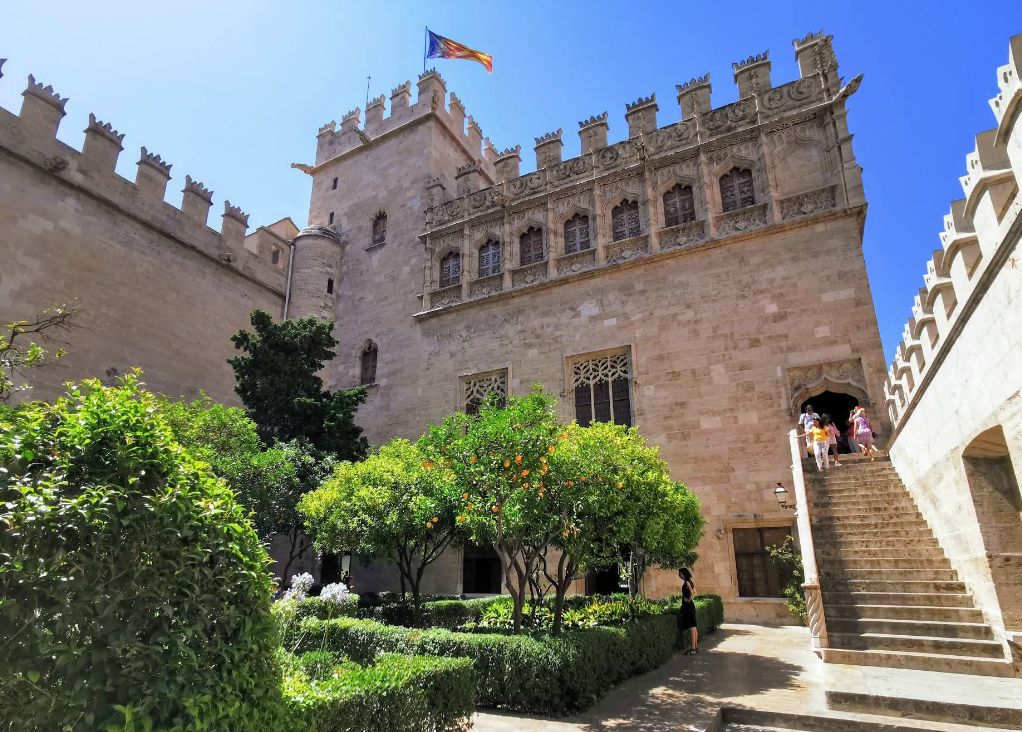
The Gothic architecture is absolutely stunning, particularly the twisted columns in the main hall.
Valencia’s beaches
One of the best things about Valencia is having proper city beaches just a short tram ride from the centre. The golden sand stretches for several kilometres, and the water quality is excellent.
Malvarossa beach
This is the main city beach and easily accessible by metro (lines 5 and 7 to Maritim-Serreria), then transfer to tram lines 6 or 8 to reach the beach, or walk about 15 minutes from the metro station. The wide sandy beach has all the facilities you need – beach bars, restaurants, showers, and lifeguards during summer.
The beachfront promenade is perfect for an evening stroll, with plenty of restaurants serving fresh seafood.
El Saler beach
About 10 kilometres south of the city, this is where locals go for a quieter beach experience. It’s backed by the Albufera Natural Park, making it feel much more natural than the city beaches. You’ll need a car or bus to get here, but it’s worth it for the peaceful atmosphere and excellent sand dunes.
Albufera Natural Park
Just 15 minutes south of Valencia city centre by car (30-45 minutes by public transport), this freshwater lagoon is a completely different world. The park is home to over 350 bird species and is where Valencia’s famous rice is grown. Take a boat trip on the lagoon at sunset – it’s magical when the water turns golden. Many of the boat trips include a paella lunch at one of the traditional restaurants around the lagoon.
Best time to visit: Late afternoon for sunset boat trips Cost: Boat trips from €4 per person
Barrio del Carmen
This is Valencia’s hippest neighbourhood, full of street art, independent shops, and brilliant bars. During the day, wander the narrow medieval streets and admire the street murals. At night, it comes alive with some of the best nightlife in the city.
The Torres de Serranos, ancient city gates that are now a museum, mark the entrance to this area and offer great views from the top. Evening tip: Start with drinks at a rooftop bar, then head to the smaller bars tucked away in the side streets
When to visit Valencia
Valencia has a Mediterranean climate with mild winters and warm summers. Spring (March-May) and autumn (September-November) are ideal, with perfect weather for walking around the city and comfortable temperatures for the beach. Summer can get quite hot, but the sea breeze keeps things bearable. Winter is mild but can be rainy – though you’ll have the city mostly to yourself.
Where to stay in Valencia
Historic centre: Best for sightseeing and atmosphere. You’ll be walking distance from all the main attractions. City of Arts and Sciences area: More modern hotels, great if you want to spend lots of time at the museums and aquarium.
Beach area: Perfect if you want to combine city sightseeing with beach time. The metro connects you to the centre in 20 minutes.
Getting Around:
- Metro/Bus: €1.50 per trip (€4.80 from airport), tourist cards available
- Bike rental: From €10 per day
- Walking: Most attractions within 30 minutes of each other
Food Tips:
- Paella: Only at lunch time (1pm-4pm)
- Dinner: Starts around 9pm, earlier for tourists
- Markets: Central Market best for fresh produce
Valencia offers something for everyone – incredible architecture, fantastic food, beautiful beaches, and a relaxed Spanish atmosphere that’s hard to find in more touristy cities. The locals are friendly and proud of their city, and you’ll often find them happy to share recommendations for their favourite hidden bars or the best place to watch the sunset over the Mediterranean.