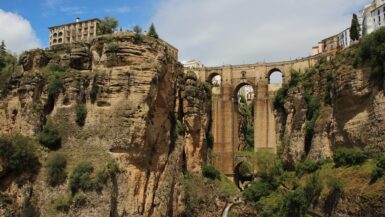

Huelva is a city in the southwestern corner of Spain is bordered by the Guadiana River to the west and the Atlantic Ocean to the south. There are a unique mix of pristine beaches, historic towns, and incredible natural parks that most tourists completely miss.
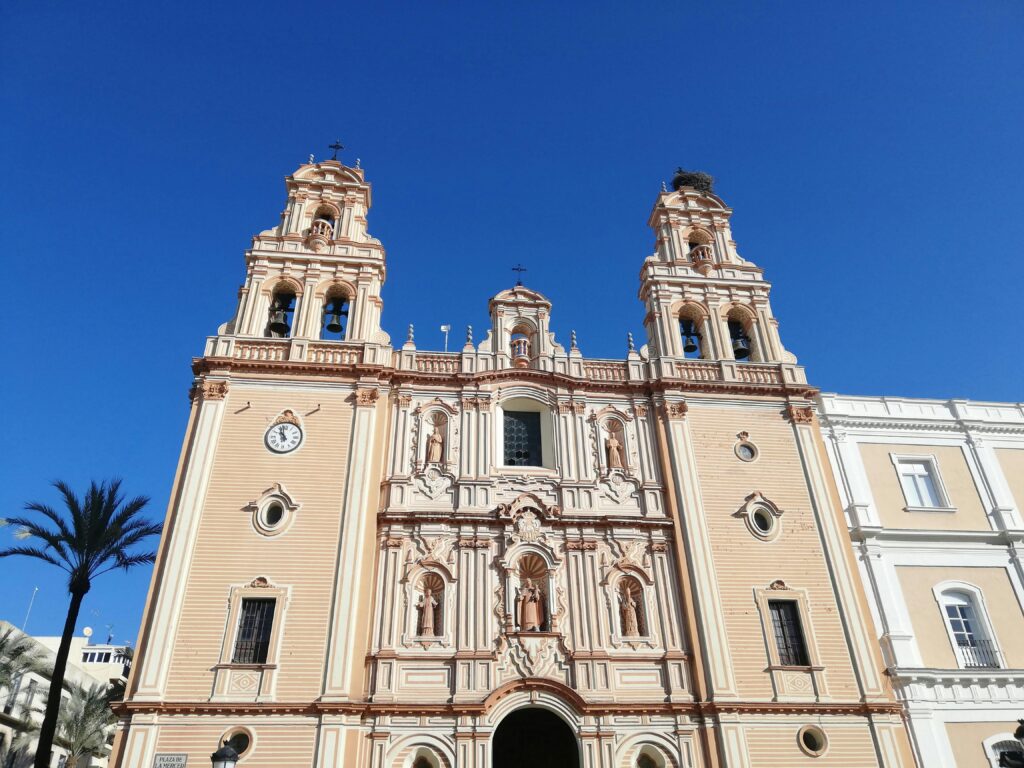
I’ve put together this guide to help you discover what makes Huelva so worth visiting, from the famous pilgrimage town of El Rocío to the stunning Doñana National Park, plus the best beaches and local food you absolutely have to try. You’ll find practical tips for getting around, where to stay, and how to make the most of your time in this fascinating part of Andalusia.
Where is Huelva?
Huelva province sits in the far southwest of Andalusia, bordered by Portugal to the west and the Atlantic Ocean to the south. The capital city, also called Huelva, lies about 95 kilometres west of Seville and just 50 kilometres from the Portuguese border.
The province stretches from the Atlantic beaches in the south up to the Sierra de Aracena mountains in the north, giving you everything from endless sandy beaches to rolling hills covered in cork oak forests. It’s incredibly easy to reach from other parts of Spain, with excellent road connections to Seville and even Lisbon, though reaching Cádiz requires traveling through Seville.
Getting to Huelva
The easiest way to reach Huelva is by car, which gives you the freedom to visit the smaller towns and natural areas at your own pace. From Seville, it’s a straightforward 90-minute drive west on the A-49 motorway.
Seville Airport is your best bet if you’re flying in, with regular bus services connecting to Huelva city that take about 2 hours.
If you’re coming from Portugal, Huelva makes a perfect stop on your way into Spain – the border crossing at Ayamonte is just 30 minutes from Huelva city.
Huelva city
The capital might not win any beauty contests, but Huelva city has a fascinating history that’s worth at least a day of your time. This is where Christopher Columbus set sail for the Americas in 1492 from the nearby port of Palos de la Frontera, and you’ll find plenty of reminders of that momentous voyage.
Columbus monuments and sites
The Muelle de las Carabelas (Wharf of the Caravels) sits just outside the city and houses full-size replicas of the Niña, Pinta, and Santa María. You can actually board these ships and get a real sense of how cramped and dangerous that first Atlantic crossing must have been. The museum here does a brilliant job of explaining the preparations for the voyage and its impact on both Spain and the Americas.
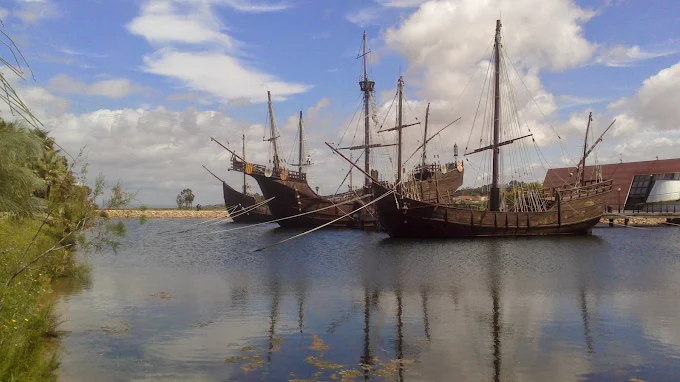
- Opening hours: Tuesday to Sunday, 9:30am to 7:30pm (summer), 9:30am to 6:30pm (winter)
- Entry: €3.50 adults, €1.80 children
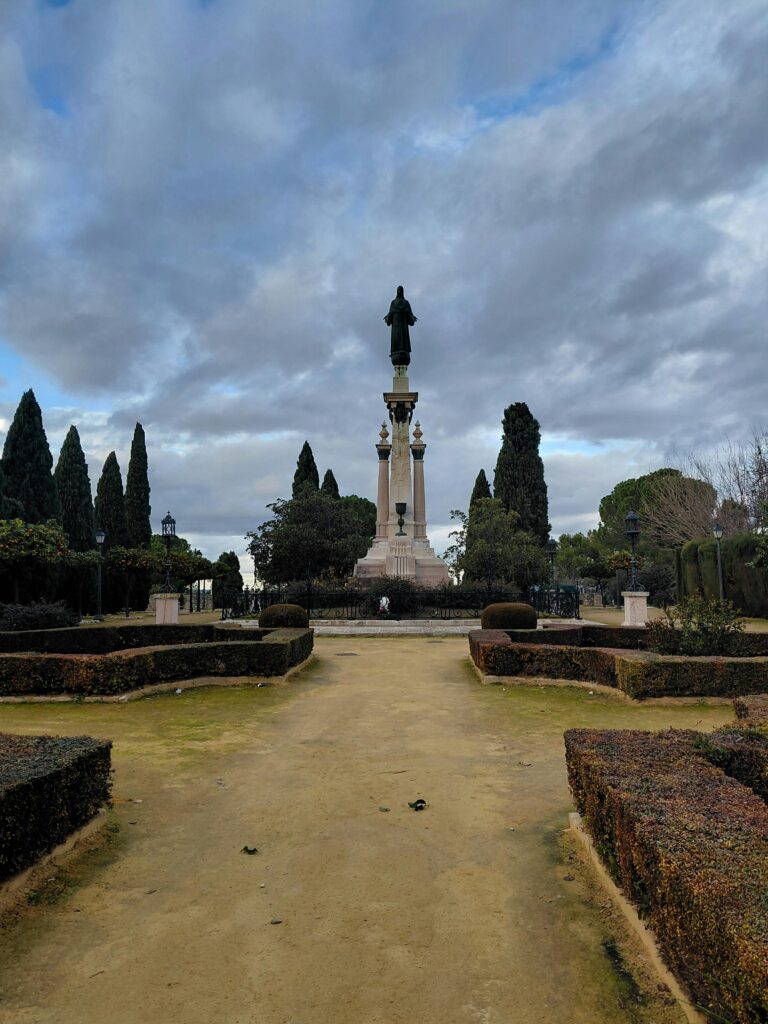
The Columbus Monument (Monumento a la Fe Descubridora) stands at the confluence of the Tinto and Odiel rivers, though the real highlight is walking down to this spot where you can see exactly where those famous ships departed.
Local food scene
Huelva’s position between river and sea means the seafood here is absolutely incredible. The local prawns (gambas blancas de Huelva) are considered among the best in Spain – they’re sweet, meaty, and nothing like the frozen ones you get elsewhere. Head to the Mercado del Carmen for the freshest fish and to watch locals haggling over the day’s catch. For a proper meal, try any of the marisquerías (seafood restaurants) around Plaza de las Monjas, where a plate of local prawns and a cold beer will set you back around €15.
Doñana National Park
This is absolutely the crown jewel of Huelva province. Doñana National Park protects one of Europe’s most important wetland areas, serving as a crucial stopover for millions of migrating birds traveling between Europe and Africa. 
The park covers over 500 square kilometres of marshes, sand dunes, and pine forests. You’ll spot flamingos, imperial eagles, lynx (if you’re incredibly lucky), and hundreds of other species depending on the season.
Visiting Doñana
You can’t just drive into the park – access is strictly controlled to protect the wildlife. The best way to visit is on one of the official guided tours that depart from the visitor centres in El Acebuche or La Rocina. Tour prices: €30 adults, €15 children Duration: 4 hours Booking: Essential, especially in spring and autumn when birdwatching is at its best
The tours use special all-terrain vehicles that can handle the sandy terrain, and the guides are incredibly knowledgeable about the wildlife and ecosystems. Spring (March to May) is the best time to visit when the marshes are full of water and the bird activity is at its peak.
El Rocío
This tiny village of just 1,000 residents becomes one of the most important pilgrimage sites in Spain every Pentecost weekend. The annual Romería del Rocío sees over a million pilgrims arrive on horseback, in decorated ox-carts, and on foot to honour the Virgen del Rocío.
Even outside pilgrimage time, El Rocío has an almost Wild West atmosphere with its sandy streets, hitching posts, and wooden-fronted buildings. Horses wander freely through the streets, and it’s perfectly normal to see locals riding to the shops rather than driving.
The sanctuary
The Santuario de Nuestra Señora del Rocío houses the famous statue of the Virgin that’s the focus of all the pilgrimage activity. The current building dates from the 1960s, but there’s been a shrine here since the 13th century. Outside pilgrimage time, it’s a peaceful place to visit and the surrounding marshes offer excellent birdwatching opportunities. The village has several good restaurants serving local game dishes – wild boar and venison are specialities here.
Huelva’s Atlantic beaches
The beaches along Huelva’s Atlantic coast are genuinely some of Spain’s best-kept secrets. Unlike the Mediterranean, you get proper Atlantic waves here, plus seemingly endless stretches of golden sand backed by pine forests.
Playa de Mazagón
This 6-kilometre stretch of beach sits about 25 kilometres southeast of Huelva city. The sand is fine and golden, the waves are perfect for surfing, and the pine forest behind provides natural shade when you need a break from the sun.
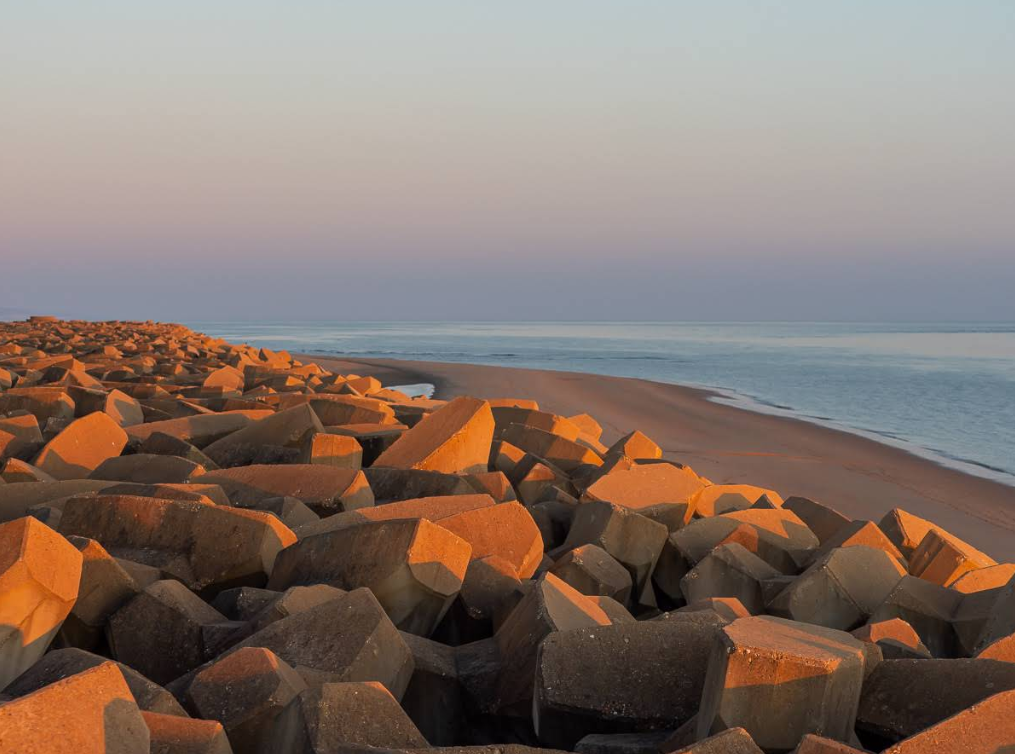
There’s a small resort town here with plenty of restaurants and accommodation options, but it never feels crowded even in summer. The seafood restaurants along the beachfront serve excellent local fish, and you can often watch the fishing boats bringing in the day’s catch.
Playa de Matalascañas
At the edge of Doñana National Park, Matalascañas offers 5 kilometres of pristine beach with the added bonus of being able to spot wildlife from the sand. It’s not unusual to see deer wandering down from the pine forests, and the birdwatching is excellent.
The town itself is quite developed with hotels, restaurants, and shops, making it a good base if you want beach time combined with easy access to Doñana. The sunsets here are absolutely spectacular – the beach faces due west, so you get uninterrupted views across the Atlantic.
Playa de Isla Cristina
Near the Portuguese border, Isla Cristina has working fishing boats alongside the beach bars, giving it a much more authentic feel than many Spanish beach resorts. The town’s fishing fleet is one of the most important in Andalusia, and you can watch the boats unloading their catch each afternoon.
The beach itself stretches for miles in both directions, and even in summer you can always find a quiet spot. The local restaurants specialise in the day’s fresh catch – the grilled sardines and tuna steaks are particularly good.
Sierra de Aracena
The northern part of Huelva province is completely different from the coast – rolling hills covered in cork oak and chestnut forests, dotted with white villages that time seems to have forgotten.
Aracena town
The main town gives its name to the whole mountain range and makes a perfect base for exploring the area. The 13th-century castle ruins crown the hilltop, while below ground you’ll find the spectacular Gruta de las Maravillas (Cave of Wonders). Cave opening hours: Daily 10am to 6pm Entry: €10 adults, €7 children
Tours: Every 45 minutes, limited to 25 people
The cave system stretches for over 2 kilometres underground, with incredible limestone formations reflected in underground lakes. It’s genuinely one of Spain’s most impressive show caves, and the guided tour takes about an hour.
Jamón ibérico country
This is the heart of Spain’s jamón ibérico production. The black pigs roam freely through the oak forests, feeding on acorns that give the ham its distinctive nutty flavour. You’ll see them everywhere during autumn when the acorns are falling.
Many of the local villages have jamón producers offering tours and tastings. A good jamón ibérico de bellota (the top grade) will cost around €80-100 per kilo, but it’s genuinely some of the world’s finest ham.
Practical information for visiting Huelva
Best time to visit: Spring (March to May) and autumn (September to November) offer the most comfortable temperatures and the best wildlife viewing. Summer can be quite hot, especially inland, but the Atlantic beaches provide relief. Getting around: A car is essential if you want to see the best of Huelva province. Public transport exists but is limited, especially to places like El Rocío and the smaller mountain villages.
Where to stay: Huelva city for history and convenience, Mazagón or Matalascañas for beaches, Aracena for the mountains, or El Rocío for something completely unique. Local specialities: Gambas blancas (local prawns), jamón ibérico, wild mushrooms (in autumn), and excellent local wines from the Condado de Huelva region.
The real magic of Huelva lies in its authenticity – this is still Spain as it was before mass tourism, where local traditions remain strong and the pace of life moves to a different rhythm. Pack comfortable walking shoes for the mountain villages and don’t forget your camera for those incredible Atlantic sunsets!