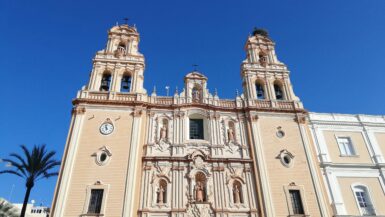

If you’re planning a trip to one of Andalusia’s most stunning towns, you’re in for something really special. Ronda sits dramatically on a clifftop plateau, split by the famous El Tajo gorge, and it’s honestly one of those places that takes your breath away the moment you arrive.
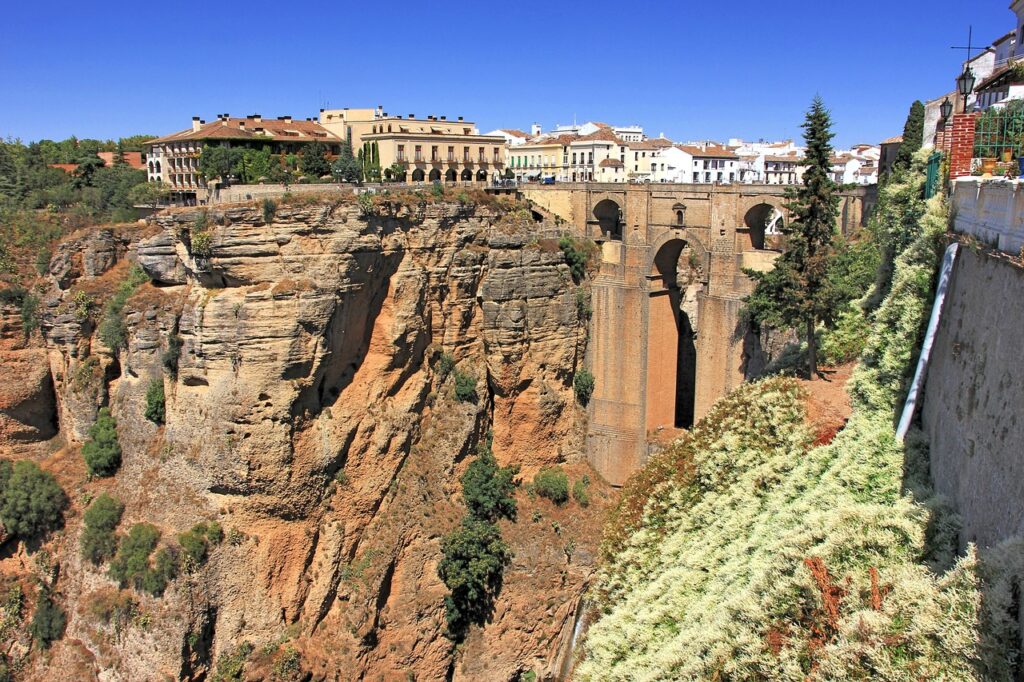
I’ve put together this guide to help you make the most of your visit to Ronda. From the iconic Puente Nuevo bridge to the historic bullring, plus the best places to eat and practical tips for getting around, I’ll share everything you need to know for an unforgettable day or weekend in this remarkable Andalusian town.
Getting to Ronda
Ronda is located about 100 kilometres west-northwest of Málaga, making it an easy day trip from the Costa del Sol. The drive takes roughly 1 hour 30 minutes through some absolutely stunning mountain scenery.
If you’re coming from Seville, it’s about a 1 hour 40 minutes to 2 hours drive southeast. The roads are well-maintained, though they can be winding as you approach the mountains.
- By car: This is definitely the most convenient option. There are several car parks in Ronda, including underground parking near the bullring and street parking around the old town.
- By bus: Regular buses run from Málaga (about 2 hours) and Seville (about 2 hours 15 minutes). The bus station is a short walk from the town centre.
- By train: There’s a scenic train line from Málaga that takes about 2 hours, passing through beautiful countryside. The station is about 15 minutes’ walk from the historic centre.
The famous Puente Nuevo bridge
This is absolutely the star attraction and the reason most people visit Ronda. The Puente Nuevo (New Bridge) spans the dramatic El Tajo gorge, connecting the old Moorish town with the newer parts of Ronda.
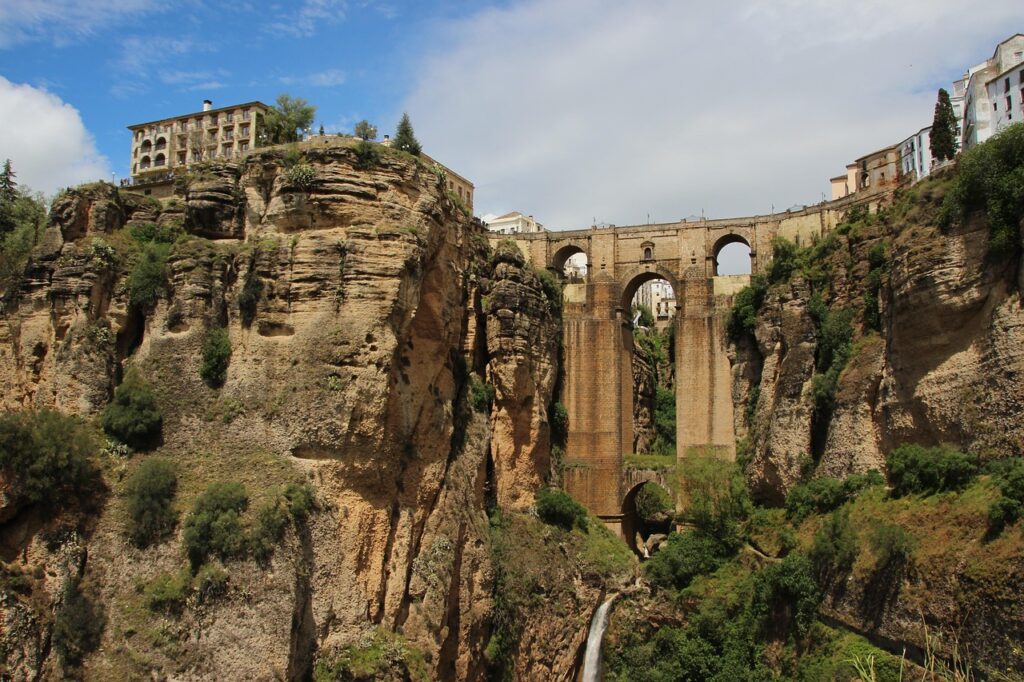
Built in the 18th century, the bridge rises 120 metres above the Guadalevín River below. The views from the bridge are incredible, but I’d actually recommend walking down to the viewpoints at the bottom of the gorge for the most spectacular photos – that’s where you get the classic postcard shot of the bridge towering above you.
Top tip: The best lighting for photos is in the late afternoon when the sun hits the bridge from the west. Early morning can be quite misty, which creates a mystical atmosphere but might obscure the views.
There’s a small exhibition inside the bridge itself, inside the central arch! Many visitors don’t realise this exists.
You can access it from the town side and learn about the bridge’s construction and history. Tickets cost 2,50€ per person.
Plaza de Toros bullring and museum
Ronda’s bullring is one of the oldest and most important in Spain, dating back to 1785. Even if you’re not interested in bullfighting, the architecture and museum are fascinating.
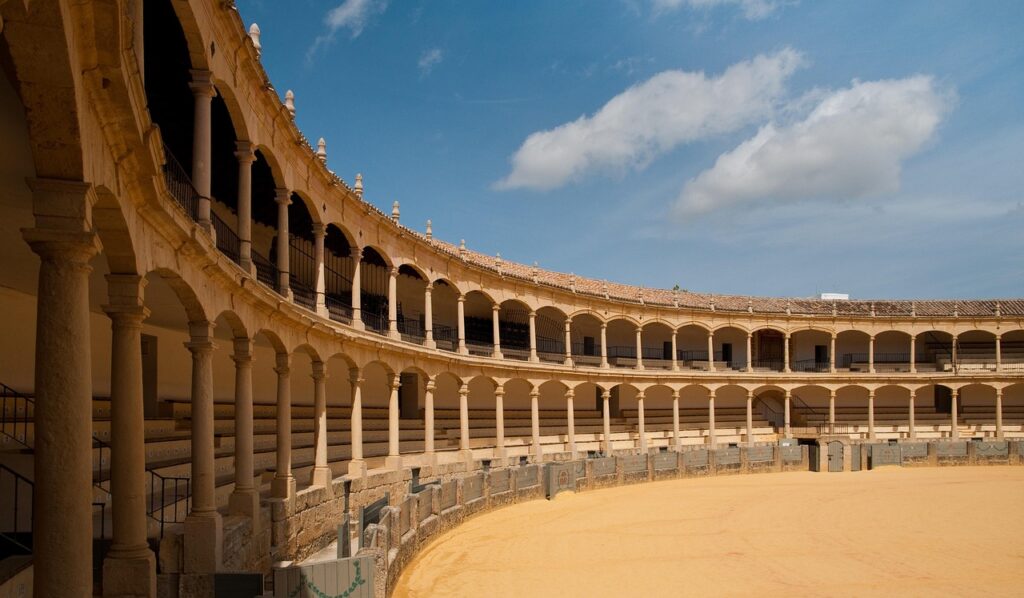
The ring itself is beautiful – a perfect circle of golden stone with two tiers of seating. The museum houses an impressive collection of costumes, photographs, and memorabilia from famous matadors throughout history.
- Opening hours: Daily 10am-8pm (summer), 10am-6pm (winter)
- Entry: Around €8 for adults
- Duration: Allow 45 minutes to 1 hour for the full visit
The audio guide is worth getting as it explains the traditions and history in detail. You can walk out onto the sand of the ring itself, which gives you a real sense of what it must feel like to be a matador facing a bull.
Ronda’s old town (La Ciudad)
The old Moorish quarter is a maze of narrow cobbled streets, whitewashed houses, and hidden squares. This is where you’ll find some of Ronda’s most charming corners and best restaurants.
Casa del Rey Moro
Despite its name (House of the Moorish King), this 18th-century mansion was never actually home to a Moorish ruler. But it’s worth visiting for the spectacular hanging gardens and the incredible water mine that descends into the gorge.
The mine consists of 231 steps carved into the rock face, leading down to the river at the bottom of the gorge. It’s quite a climb back up, but the engineering is remarkable and the views from various levels are stunning. Entry: Around €5 Opening hours: Daily 10am-8pm
Mondragón Palace
This beautiful palace houses Ronda’s municipal museum and has some of the best-preserved Mudéjar architecture in the town. The courtyards are lovely, and the museum gives you a good overview of Ronda’s history from prehistoric times to the present.
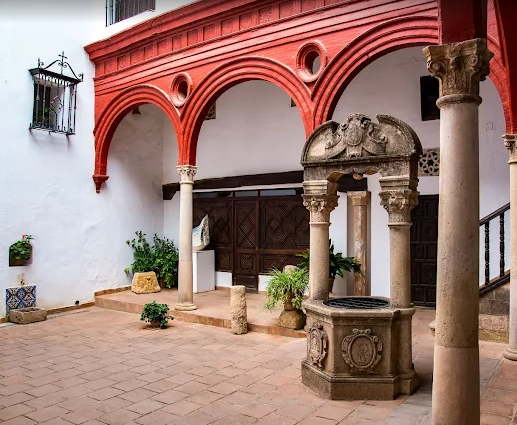
The palace gardens offer another great viewpoint over the gorge and surrounding countryside. It’s much quieter than the main bridge area, so it’s perfect if you want to enjoy the views in peace.
Arab Baths (Baños Árabes)
These 13th-century baths are among the best-preserved in Spain and give you a real sense of daily life during the Moorish period. The baths consist of three rooms – cold, warm, and hot – just like Roman baths.
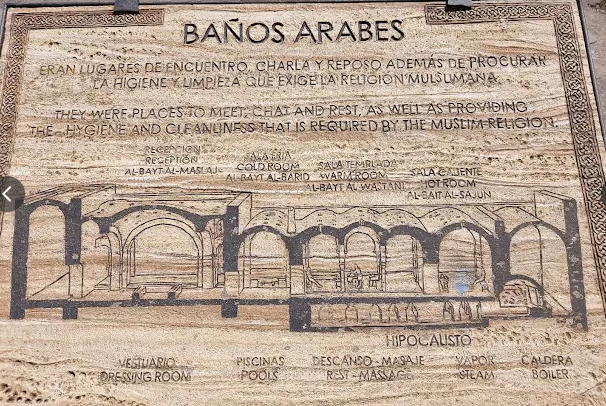
The star-shaped holes in the ceiling allowed light to filter through while maintaining privacy. The horseshoe arches and brick vaulting are beautifully preserved, and it’s wonderfully cool inside on hot days. Entry: Around €3.50
Opening hours: Monday-Friday 10am-7pm, weekends 10am-3pm
The baths are located in the San Miguel quarter, about a 10-minute walk from the main tourist areas. They’re often overlooked by visitors, which means you can usually have them almost to yourself.
Best viewpoints in Ronda
Alameda del Tajo gardens
These landscaped gardens on the edge of the gorge offer some of the most spectacular views in Ronda. There are several different viewpoints along the clifftop path, each offering a slightly different perspective of the surrounding countryside.
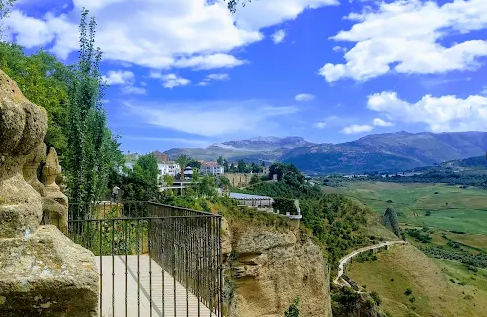
The gardens are particularly beautiful in spring when the flowers are in bloom. There are plenty of benches where you can sit and soak up the views, and it’s a lovely spot for a picnic.
Mirador de Aldehuela
This viewpoint gives you the classic angle of the Puente Nuevo from below. It’s about a 15-minute walk down a steep path from the town centre, but it’s absolutely worth it for the photos.
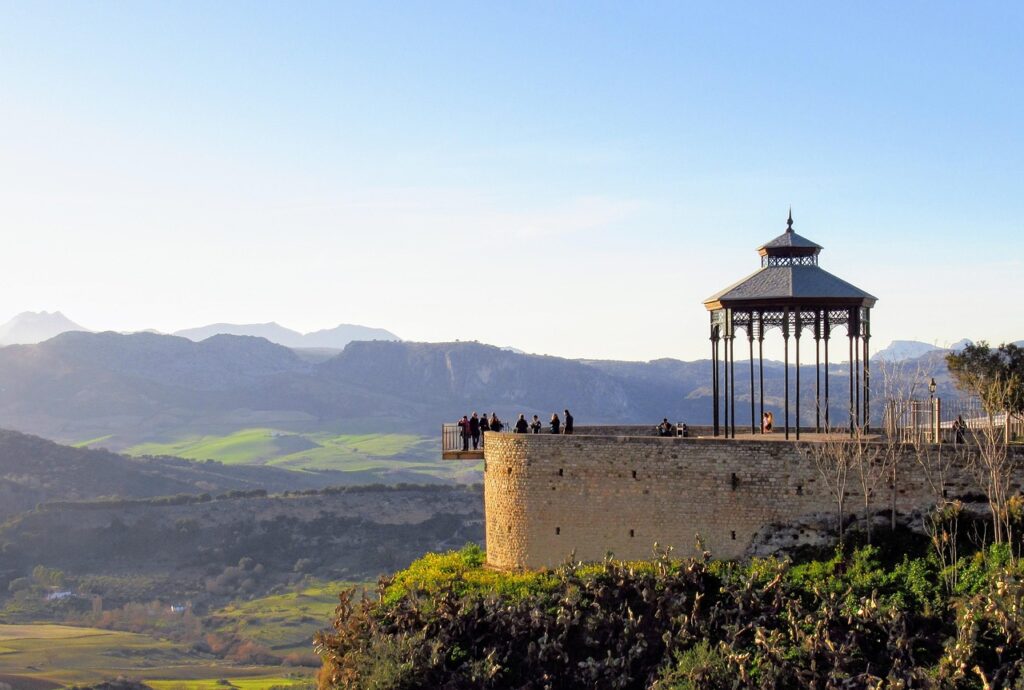
The path can be slippery after rain, so wear appropriate shoes. There’s also a longer walking route that takes you right down to the bottom of the gorge if you’re feeling energetic.
Where to eat in Ronda
Tragata
This modern tapas bar has become incredibly popular with both locals and visitors. The menu changes regularly based on seasonal ingredients, and everything is beautifully presented.
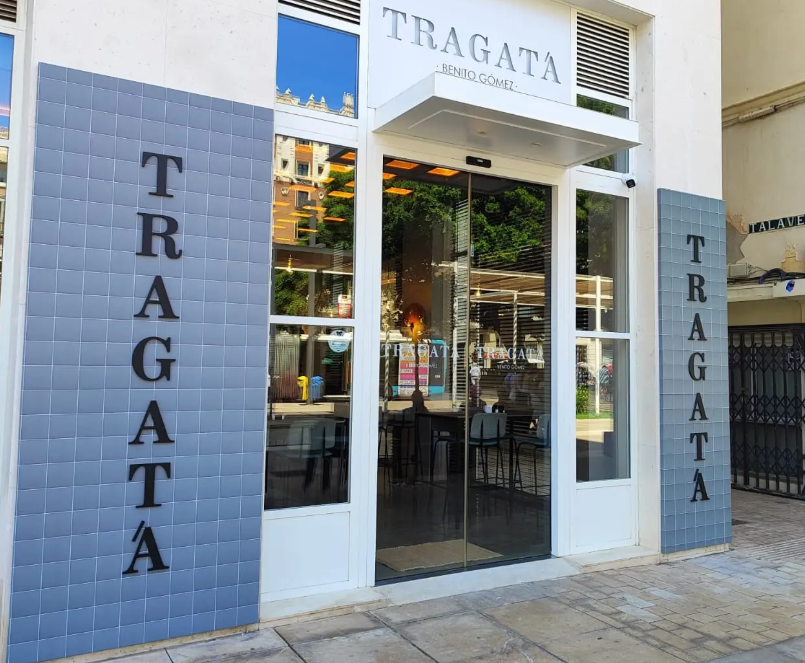
Their croquettes are legendary, and the Iberian pork dishes are outstanding. It gets very busy, especially at weekends, so I’d recommend booking ahead or arriving early.
Bardal Restaurant
If you’re looking for something special, Bardal has a Michelin star and offers creative Andalusian cuisine with modern techniques. The tasting menus showcase local ingredients in innovative ways.
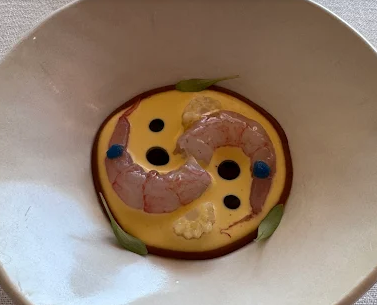
The restaurant is quite small and intimate, with excellent service and an impressive wine list focusing on Spanish wines. It’s definitely a splurge, but worth it for a special occasion.
Pedro Romero
Named after one of Ronda’s most famous matadors, this traditional restaurant sits right opposite the bullring. The atmosphere is authentically Spanish, with bullfighting memorabilia covering the walls.
They serve excellent traditional dishes like rabo de toro (bull’s tail stew) and lamb from the nearby mountains. The portions are generous and the prices are reasonable for the location.
Shopping in Ronda
The main shopping area is along Calle Nueva, where you’ll find a mix of souvenir shops, local crafts, and everyday stores. Ronda is famous for its leather goods, particularly items made by local artisans. You’ll also find beautiful ceramics, traditional Spanish fans, and local wines from the surrounding vineyards.
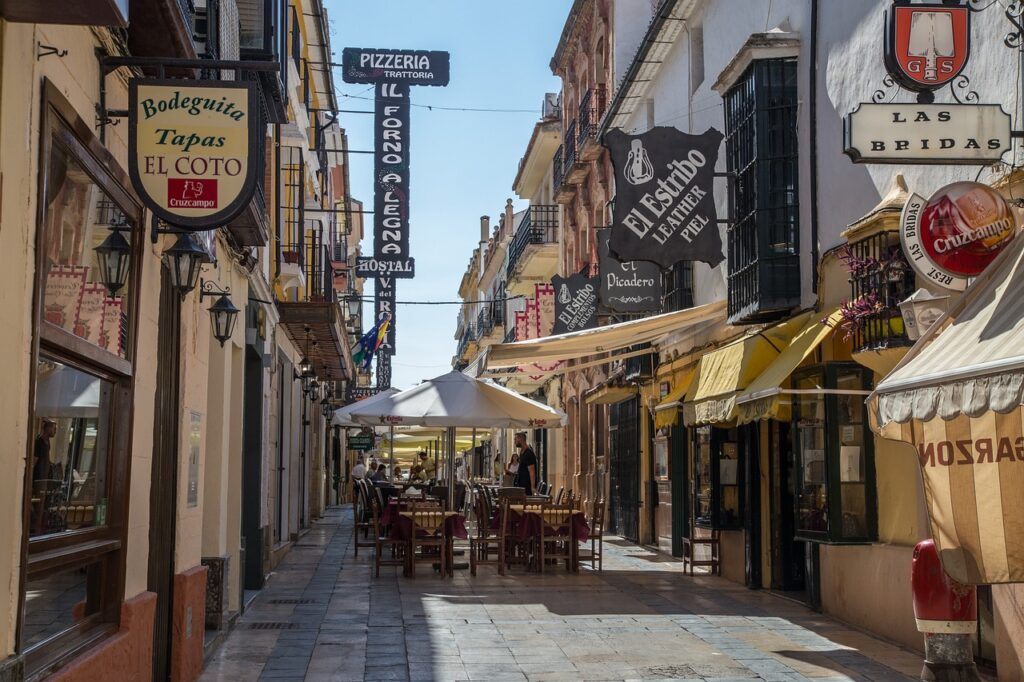
The weekly market takes place on Monday mornings in the modern part of town, where locals shop for fresh produce, clothes, and household items. It’s worth a browse if you’re in town on the right day.
Best time to visit Ronda
The best time to visit Ronda is in the spring (April-May) and autumn (September-October) as these are the seasons with the best weather and fewer crowds.
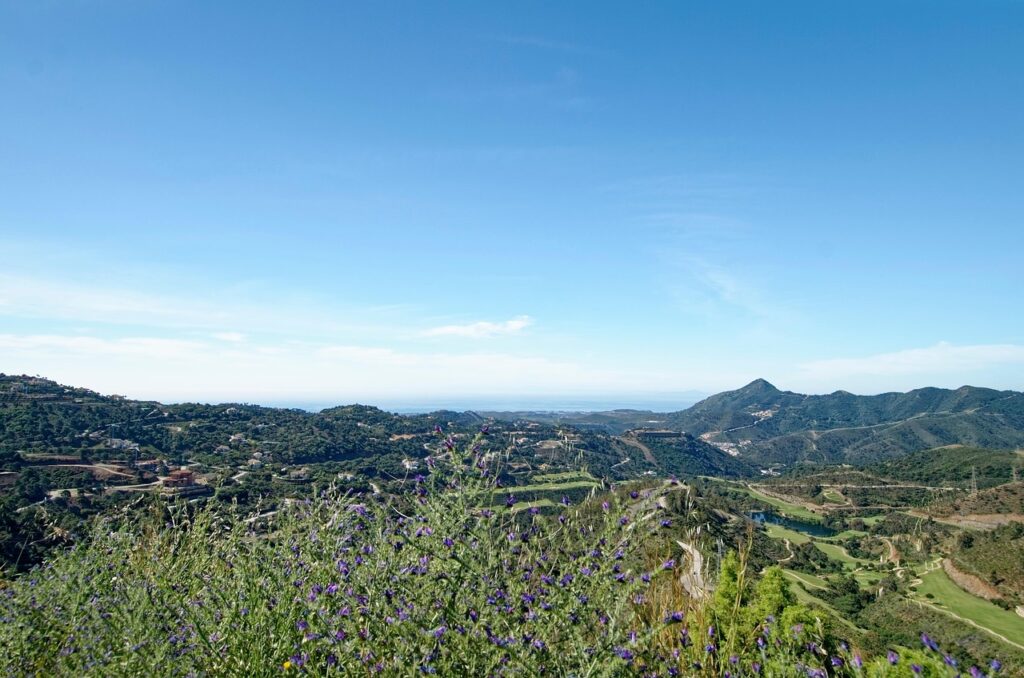
Summer can be very hot, while winter can be quite chilly and some attractions may have reduced hours.
The tourist information office on Plaza de España is very helpful and has maps, brochures, and current opening times for all attractions. They also have information about guided tours if you prefer not to explore on your own. Ronda really is one of those places that photos can’t quite capture – the drama of the setting and the sense of history make it an unforgettable destination that’ll have you planning your next visit before you’ve even left!