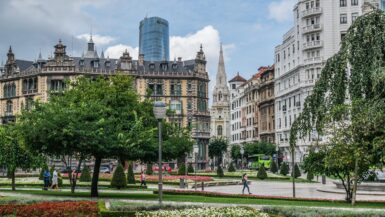

If you’re planning a trip to Spain’s Basque Country, San Sebastian is an absolute must-visit destination that offers something completely different from the typical Spanish experience. This stunning city on the Bay of Biscay combines world-class beaches, incredible food, and distinctive Basque traditions in one unforgettable package.
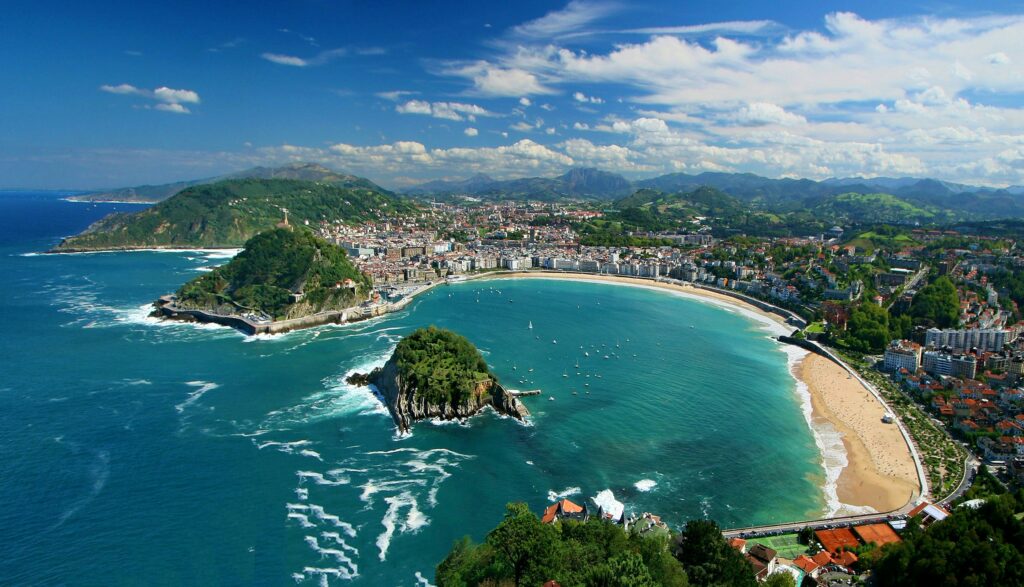
I’ve put together this detailed guide to help you make the most of your time in San Sebastian, from the famous pintxos bars to the pristine beaches and everything in between. This city has earned its reputation as Spain’s food capital, and after spending time here, you’ll understand exactly why locals and visitors alike fall completely in love with this remarkable place.
Getting to San Sebastian
San Sebastian sits just 20 kilometres from the French border, making it easily accessible from various European cities. The closest airport is San Sebastian Airport, though it’s quite small with limited flights. Most visitors fly into Bilbao Airport (about 1 hour drive) or Biarritz Airport in France (45 minutes).
The train connections are excellent – you can reach San Sebastian directly from Madrid in about 5 hours, or from Barcelona in around 6 hours. The RENFE trains are comfortable and offer beautiful scenery as you travel through northern Spain. If you’re driving from other parts of Spain, the A-8 motorway connects San Sebastian to the rest of the country. From Madrid, it’s about a 5-hour drive through some absolutely stunning Spanish countryside.
Where to stay in San Sebastian
The best area to stay is definitely the Old Town (Parte Vieja), where you’ll be right in the heart of the action with pintxos bars, restaurants, and attractions all within walking distance. The streets here are narrow and charming, though it can get quite lively in the evenings. For a more upmarket experience, the Romantic Area around La Concha beach offers elegant Belle Époque buildings and easy beach access. This area is perfect if you want luxury hotels with sea views, though you’ll pay premium prices.
The Gros neighbourhood is brilliant for surfers and younger travellers, with a more relaxed vibe and excellent value accommodation. It’s just across the Urumea River from the centre, easily walkable or a quick bus ride.
San Sebastian’s incredible beaches
La Concha beach
This is hands down one of Europe’s most beautiful urban beaches. The crescent-shaped bay stretches for 1.3 kilometres of golden sand, with calm waters that are perfect for swimming during summer months.
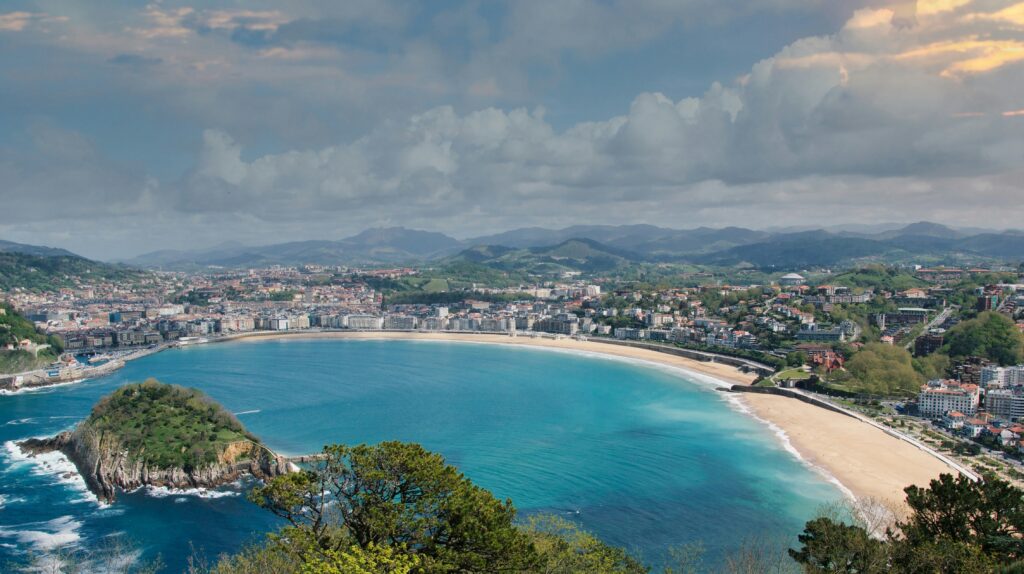
What makes La Concha special is its setting – you’re surrounded by elegant promenades, Belle Époque buildings, and the distinctive Santa Clara Island sitting right in the middle of the bay. The beach has excellent facilities including showers, changing rooms, and beach bars. During summer, the beach gets busy but there’s plenty of space for everyone. The water temperature reaches a comfortable 20-22°C in July and August, making it perfect for swimming. The promenade behind the beach is ideal for evening strolls with incredible sunset views.
Zurriola beach
Located in the Gros district, Zurriola is San Sebastian’s surf beach. The waves here are much bigger than La Concha, making it popular with surfers and bodyboarders throughout the year.
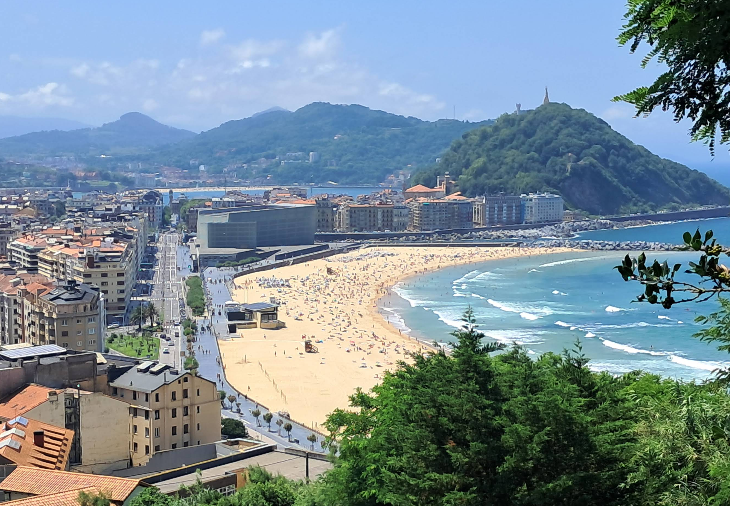
The beach has a more modern feel with contemporary architecture surrounding it, including the striking Kursaal Conference Centre with its distinctive glass cubes. There are several surf schools along the beach if you fancy learning to ride the waves. Even if you’re not into surfing, Zurriola is brilliant for long walks and has some fantastic beach bars. The atmosphere is more relaxed and less touristy than La Concha, particularly popular with locals and younger visitors.
Ondarreta beach
This smaller beach sits at the western end of La Concha bay, offering a quieter alternative to the main beach. It’s particularly popular with families as the waters are calm and there’s a lovely playground area nearby.
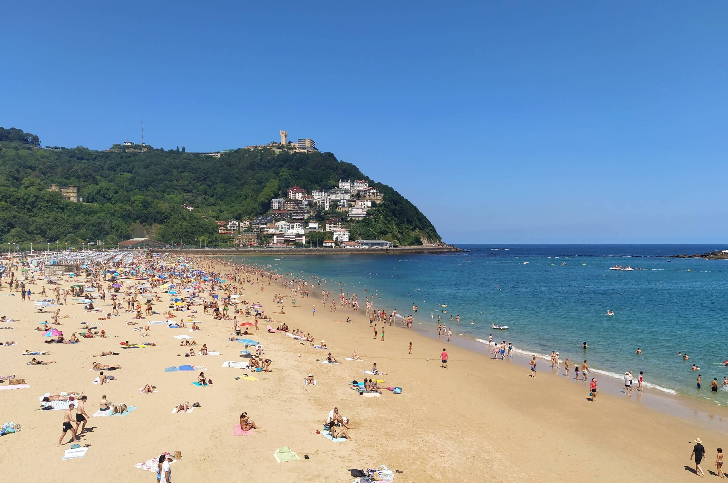
The beach connects to La Concha via a beautiful promenade, so you can easily walk between them. At the far end, you’ll find the Peine del Viento sculptures by Eduardo Chillida – definitely worth seeing as the waves crash against these distinctive metal installations.
The world-famous pintxos scene
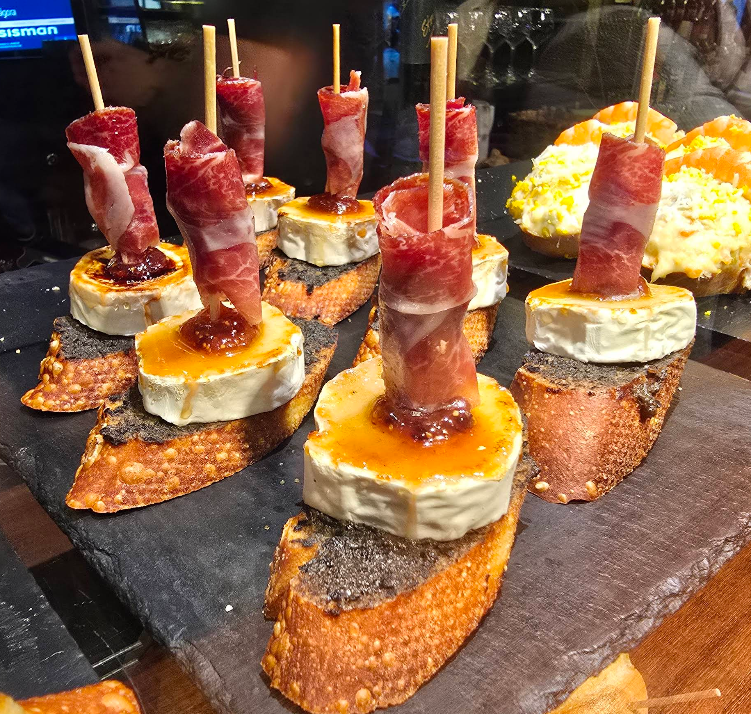
San Sebastian is internationally recognised as one of the world’s great food cities, and pintxos are the heart of the local food scene. These small plates are far more sophisticated than Spanish tapas, often featuring innovative combinations and high-quality ingredients.
How pintxos bars work
The system is quite simple once you understand it. You walk into a bar, grab a small plate, and help yourself to the pintxos displayed on the bar counter. Each pintxos usually costs between €2-4, and you keep track by keeping the toothpicks or asking the bartender to count them at the end.
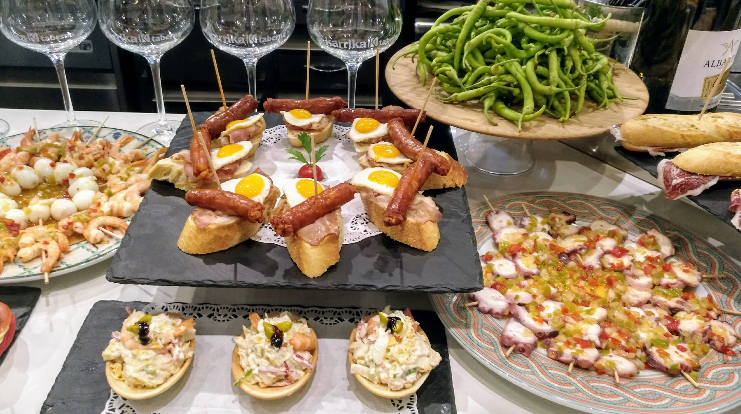
Most locals eat standing at the bar rather than sitting at tables, and it’s perfectly normal to have just one or two pintxos at each bar before moving on to the next one. This bar-hopping tradition is called “poteo” and it’s an essential San Sebastian experience.
Best pintxos bars in the Old Town
Bar Nestor is legendary for its simple but perfect tortilla de patatas and grilled peppers. They only make two tortillas per day (at 1pm and 8pm), so timing is crucial if you want to try what many consider the best tortilla in Spain.
La Cuchara de San Telmo offers creative, modern pintxos that change regularly. Their foie gras and apple pintxos are incredible, and the atmosphere is always buzzing with food lovers from around the world.
Gandarias is perfect for traditional Basque pintxos, particularly their famous jamón ibérico and cheese selections. The txuleta (grilled beef) here is outstanding if you’re looking for something more substantial.
Atari specialises in seafood pintxos, with incredibly fresh offerings that change based on the daily catch. Their anchovy and pepper pintxos are absolutely sublime.
Pintxos etiquette tips
Always say “hola” when entering a bar and “gracias” when leaving – Basque people appreciate politeness. Don’t touch the pintxos with your hands; use the toothpicks or ask the bartender to serve you.
It’s customary to order a drink with your pintxos – local txakoli (slightly sparkling white wine) is the traditional choice, though beer and cider are also popular. Tipping isn’t expected, but rounding up the bill is appreciated.
Monte Urgull and Monte Igueldo
Monte Urgull
This hill overlooks the Old Town and offers some of the best views in San Sebastian. You can walk up through beautiful parkland filled with peacocks and historic fortifications, including the ruins of Castillo de la Mota. At the summit, you’ll find the Sacred Heart statue and incredible 360-degree views over the city, bay, and surrounding mountains. The walk takes about 30 minutes from the Old Town, and it’s free to access.
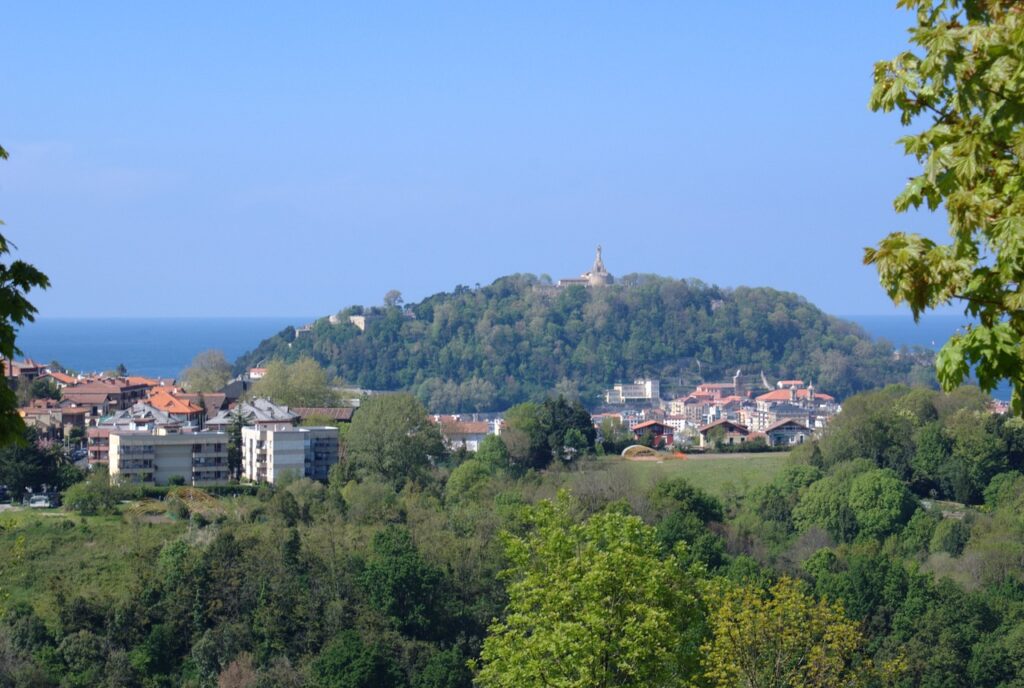
The best time to visit is either early morning or late afternoon when the light is perfect for photography. There are several different paths up the mountain, so you can take one route up and another down.
Monte Igueldo
For even more spectacular views, Monte Igueldo sits at the western end of La Concha bay. You can either hike up or take the charming funicular railway that’s been operating since 1912.
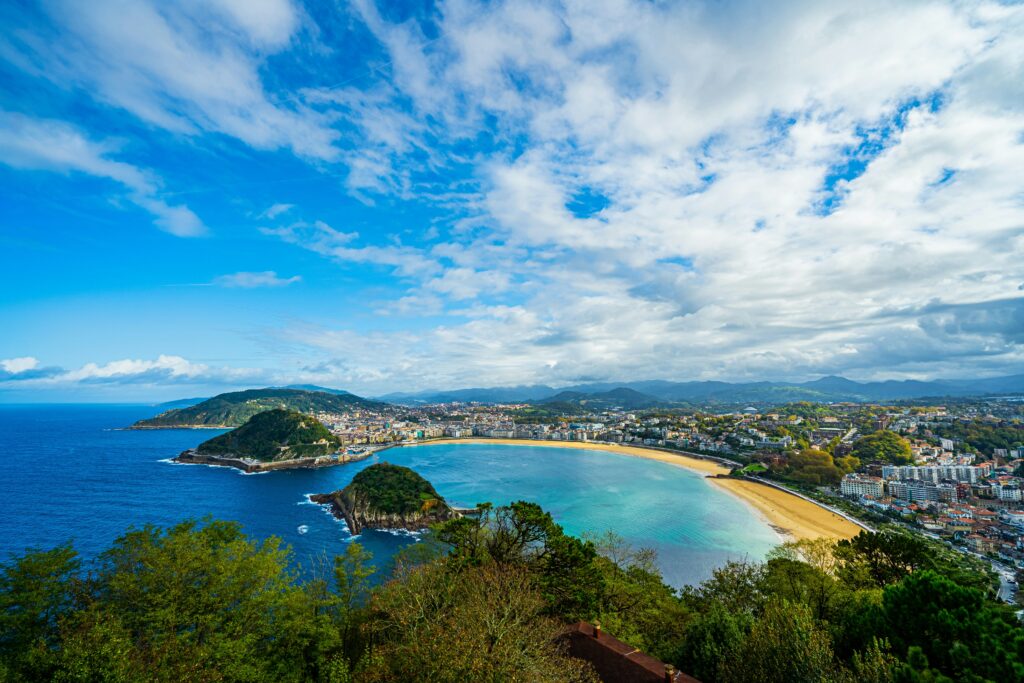
At the top, there’s a small amusement park with vintage rides and several viewpoints. The views from here are absolutely stunning – you can see the entire bay, the city, and the Cantabrian Mountains in the distance.
Funicular details:
- Operating hours: 10am-10pm (summer), 10am-8pm (winter)
- Cost: €3.15 return for adults
- Frequency: Every 15 minutes
San Sebastian’s Old Town (Parte Vieja)
The Old Town is where San Sebastian’s heart truly beats. These narrow medieval streets are packed with pintxos bars, traditional shops, and historic buildings that have survived centuries of history.
Plaza de la Constitución
This beautiful square was once used for bullfights, and you can still see the numbered balconies where spectators used to sit. Today, it’s surrounded by colourful buildings housing bars, restaurants, and shops.
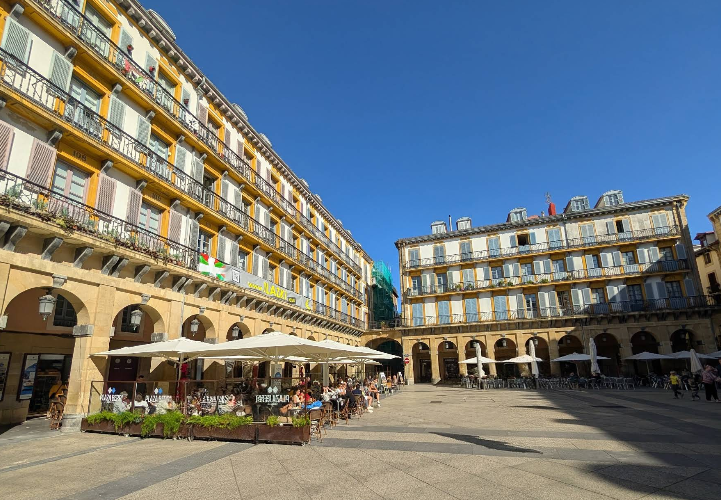
The square comes alive during festivals, particularly during San Sebastian Day (January 20th) when locals gather here for celebrations. There are several excellent pintxos bars around the square, making it a perfect starting point for your food adventures.
Santa María del Coro Basilica
This striking baroque church sits in the heart of the Old Town and is worth a quick visit. The facade is particularly impressive, with its distinctive towers and detailed stonework.
The church often hosts concerts and cultural events, and the interior features beautiful altarpieces and religious art. It’s usually open during the day, and entry is free.
San Vicente Church
The oldest church in San Sebastian, dating back to the 16th century, San Vicente sits at the base of Monte Urgull. The Gothic architecture is impressive, and it houses several important religious artifacts.
The church is particularly beautiful during sunset when the golden light illuminates the stone facade. It’s a peaceful spot to rest during your Old Town explorations.
Getting around San Sebastian
The city centre is quite compact and easily walkable – you can get from the Old Town to La Concha beach in about 5 minutes on foot. Most of the main attractions are within a 20-minute walk of each other.
There’s an excellent bus network if you need to travel further afield or don’t fancy walking up the hills to Monte Urgull or Monte Igueldo. Single bus tickets cost around €1.70, or you can buy a day pass for €4.20.
Taxis are readily available and reasonably priced for short distances within the city. For trips to the airport or nearby towns, expect to pay €15-30 depending on the distance.
Essential San Sebastian experiences
A visit to San Sebastian isn’t complete without spending at least one evening bar-hopping through the Old Town, trying different pintxos and soaking up the incredible atmosphere. Start around 7pm when the bars begin to fill up with locals. Make sure to walk the full length of La Concha promenade, particularly at sunset when the light over the bay is absolutely magical. The views from both ends of the bay are spectacular, and it’s a lovely way to work up an appetite between pintxos bars.
If you’re here during festival season, San Sebastian really comes alive. The San Sebastian International Film Festival in September brings glamour and excitement, while the Tamborrada in January is a uniquely Basque celebration with 24 hours of non-stop drumming.
The combination of incredible food, stunning beaches, and distinctive Basque traditions makes San Sebastian unlike anywhere else in Spain. Just bring your appetite and prepare to fall in love with this remarkable city on Spain’s northern coast!